Food & hospitalityEstablished model
Surplus food collection marketplace

Give good food another chance to be enjoyed.

A food business may have suitable surplus at the end of a trading period while nearby customers are happy to collect it. Build a service that makes availability, collection and expectations clear.

Make this fit me
You could also build this as a mobile app
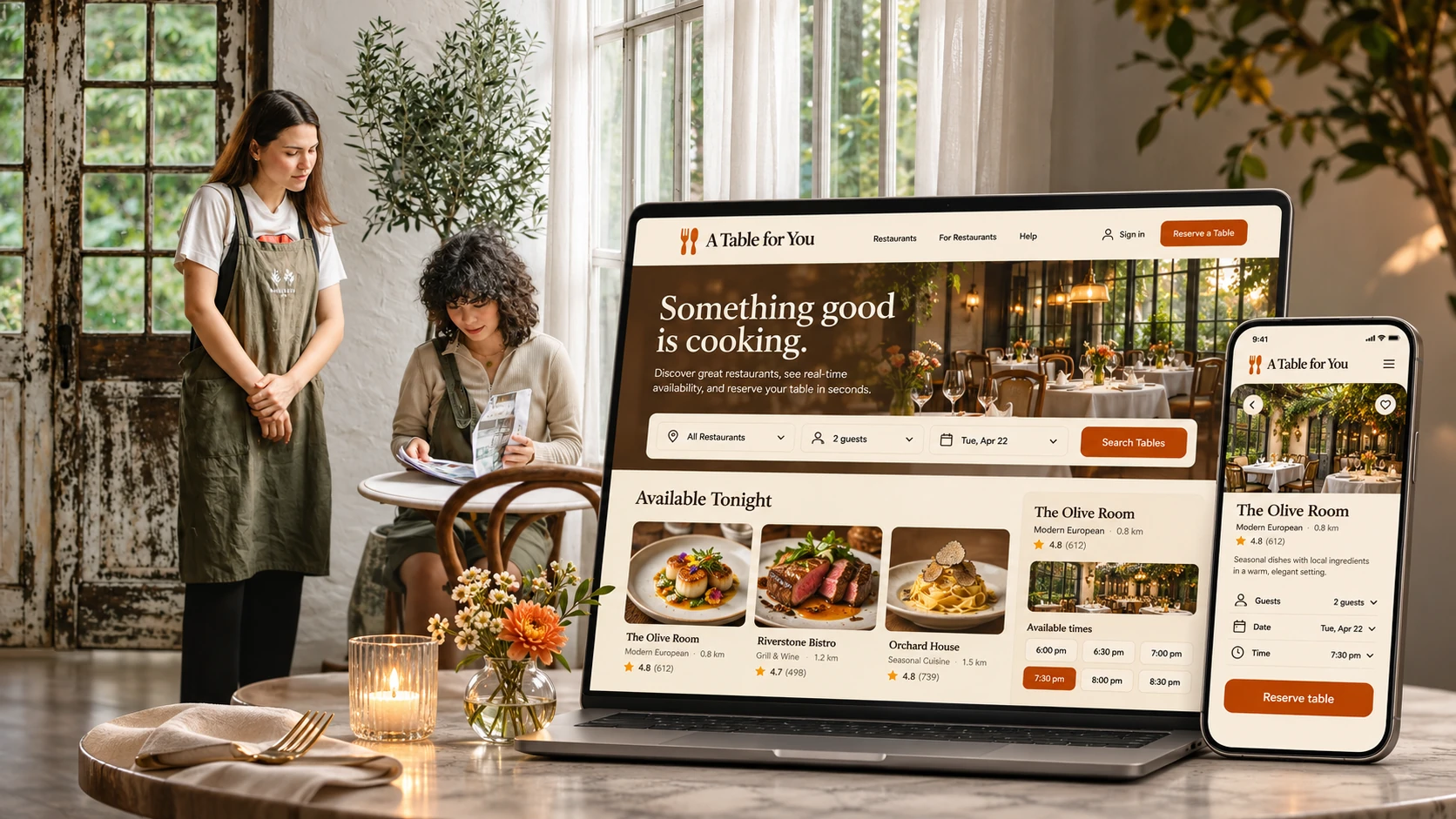
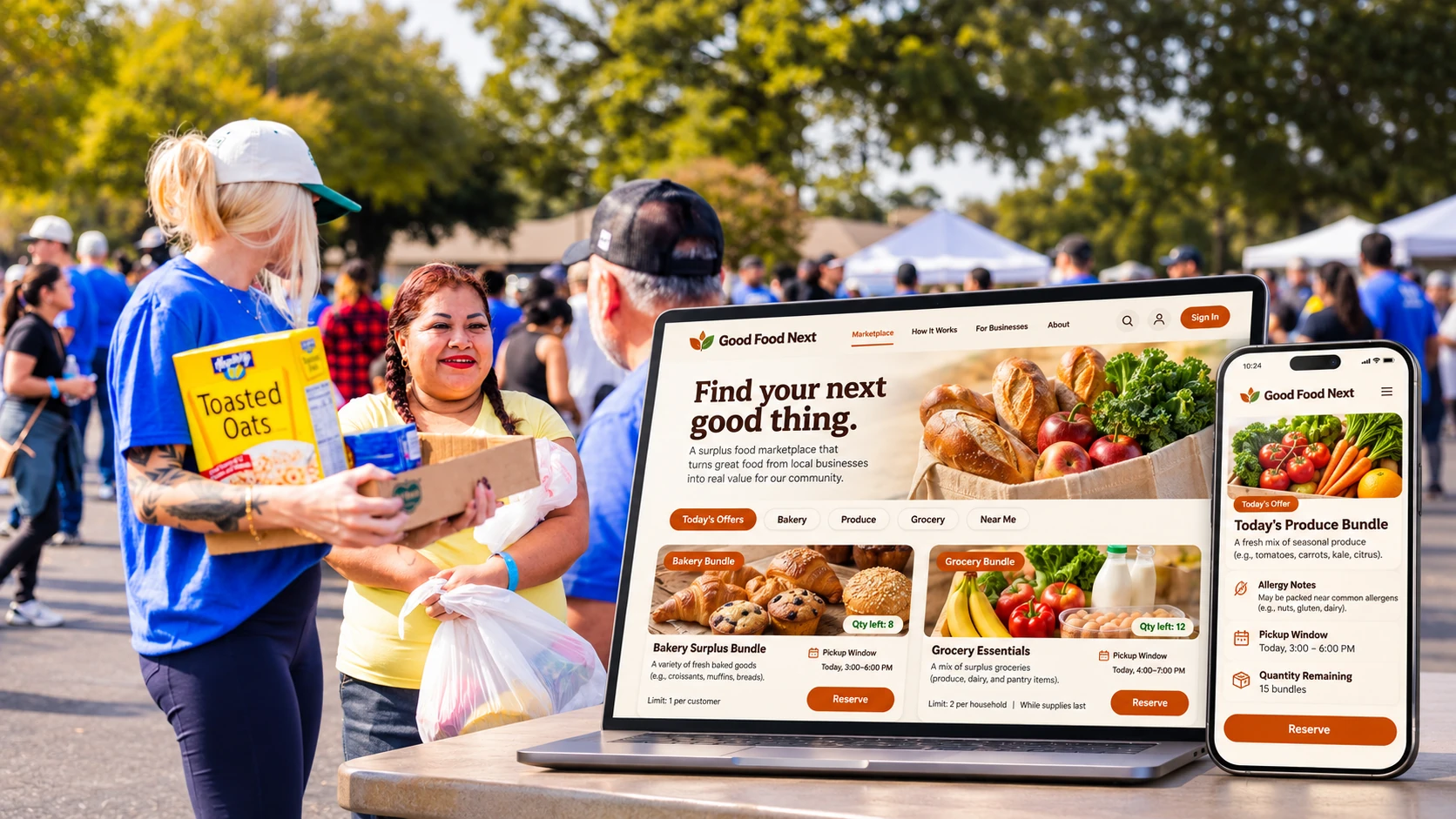
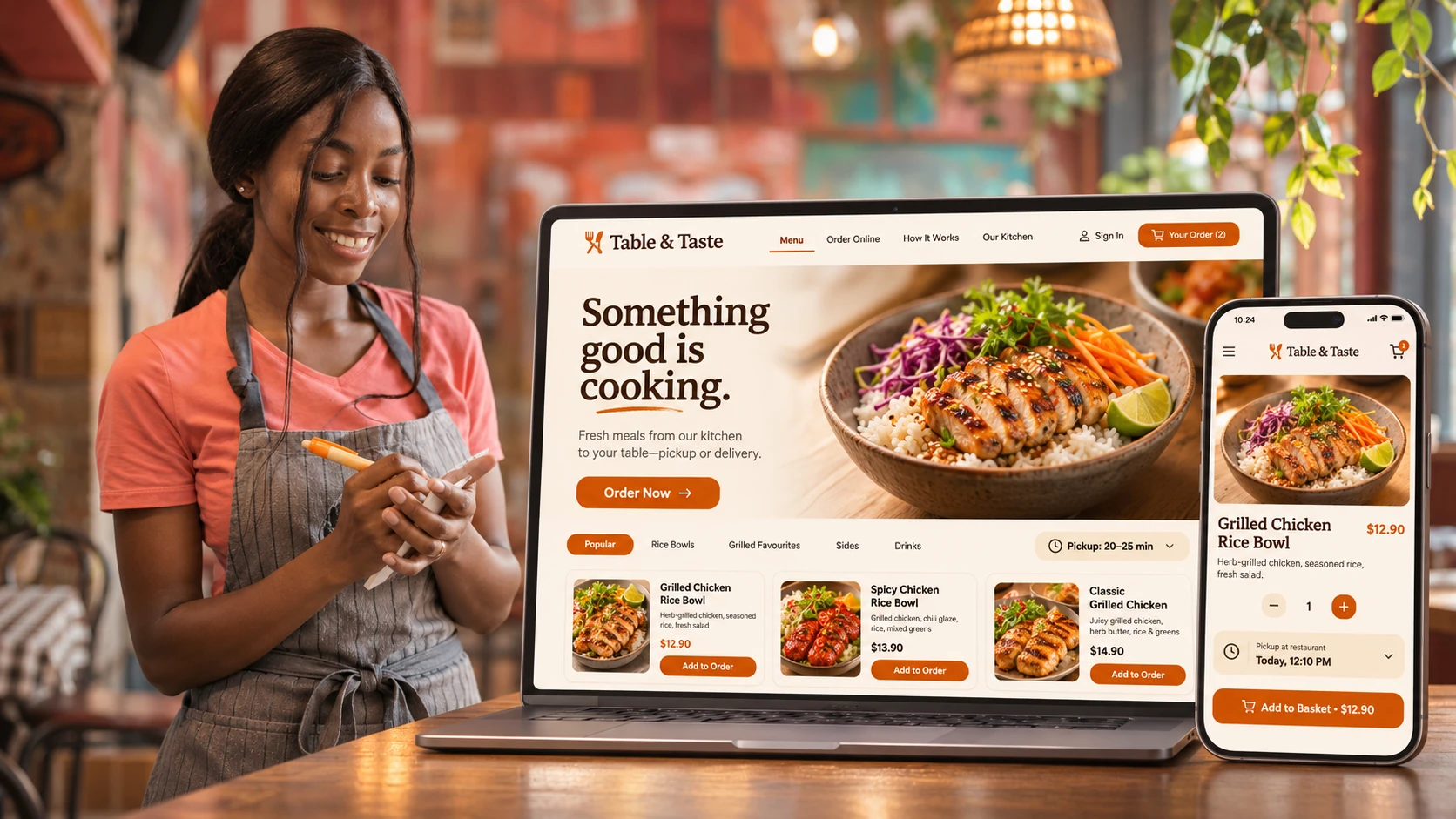
Surplus food collection marketplace concept: real human activity with a bespoke website and matching phone interface.Illustrative concept
IMAGINE THIS MOMENT

A bakery reaches the end of service with eligible items remaining, while a nearby customer would be happy to collect them. Your marketplace could make the offer and collection window clear, so the business can arrange a useful handover without promising stock or contents it cannot know in advance.

A business you can
picture.

Create a marketplace for eligible surplus food from participating businesses. Show the type of offer, collection window and any important limitations before a customer reserves it.

Who would be glad
you built it?

Nearby flexible customers

Collect a clearly described surplus offer.

Participating food businesses

Manage eligible end-of-period availability.

People trying local shops

Understand variable contents before ordering.

Where the money
could come from.

Merchants could share a disclosed fee from completed surplus orders. The platform must cover support, payments and cancellations, while businesses receive the agreed proceeds. Measure actual handling and collection work before assuming every leftover item creates useful revenue; unsold or unsuitable stock is not automatically a viable offer.

The part you could
make your own.

A dependable collection routine could be your edge. Honest offer limits, convenient confirmed windows and straightforward refunds may make the service easier to trust than an exciting discount with uncertain handover details. Test complete collections.

An angle to test with the people you want to serve.

Start with something
worth using.

Choose a small area and one provider category. Show the type of offer, known limitations, collection window and refund arrangement. Let merchants confirm eligible stock before accepting reservations and keep uncertain contents clearly described.

  • Time-limited surplus offers
  • Reservations and collection instructions
  • Merchant updates and collection records

Give the promise
something to stand on.

WHAT YOU BRING

You need participating businesses that can assess suitability and communicate accurately. Food handling, ingredient information, changing availability and uncollected orders need appropriate operating processes before the service is promoted widely.

Food safety, allergens and storage conditions need appropriate procedures. Surplus does not mean unsafe food may be sold. Merchants must be able to withdraw an offer when it no longer meets the required standard.

Let a small beginning
teach you something.

Pilot with a few willing businesses over real closing periods. Watch how stock is confirmed and customers arrive, then ask whether the offer description and collection expectations matched the actual handover.

THE QUESTION TO TEST

Can the merchant offer suitable surplus and complete collection without misleading the customer about contents or availability?

Look for these signs

  • Offers reflect confirmed eligible stock
  • Customers arrive within agreed windows
  • Unavailable orders receive a clear resolution
WHEN THE FIRST VERSION HAS TAUGHT YOU MORE
Where you could take it next

Later, add merchant reporting and recurring collection patterns while keeping food eligibility and customer expectations clear.

A little more
clarity.

Can the platform promise an exact item list?

Only when the merchant can confirm it. If contents vary, explain that clearly while still providing the information customers need to judge suitability; uncertainty should not hide essential food details.

What if nothing suitable remains to collect?

Use an explicit cancellation and refund process. A merchant should not substitute unsuitable food merely to fulfil a reservation, and customers need timely notice when the agreed offer cannot be provided.

SOMETHING TO LEARN FROM

Too Good To Go is a reference for surplus food marketplaces.

WHAT COULD GO INSIDE

A few additions
to explore.

Online shop and checkoutGive the customer who already likes your product a clear way to choose it, pay and know what happens next.Maps and local availabilityHelp a visitor connect a useful offer to a real place, with the coverage and arrival details that matter beyond the map pin.Automatic reminders and updatesLet a timely update carry the routine reassurance, so your team can give more attention to the questions that need a person.
MAKE ROOM FOR YOUR VERSION

Now picture it
with your name on it.

Your people. Your priorities. The version you keep thinking about. Answer a few questions and leave with a starting plan you can keep.

Free to explore. No account or email needed for your starting plan.
PICTURE THE MOBILE APPSurplus food collection app

Help good food find someone who can use it.

At the end of a trading day, a shop may have food that still has a useful place to go. You could build a collection app connecting participating businesses with nearby customers, showing what is offered and when it can be collected. Keep the practical details and responsibilities clear from the start.

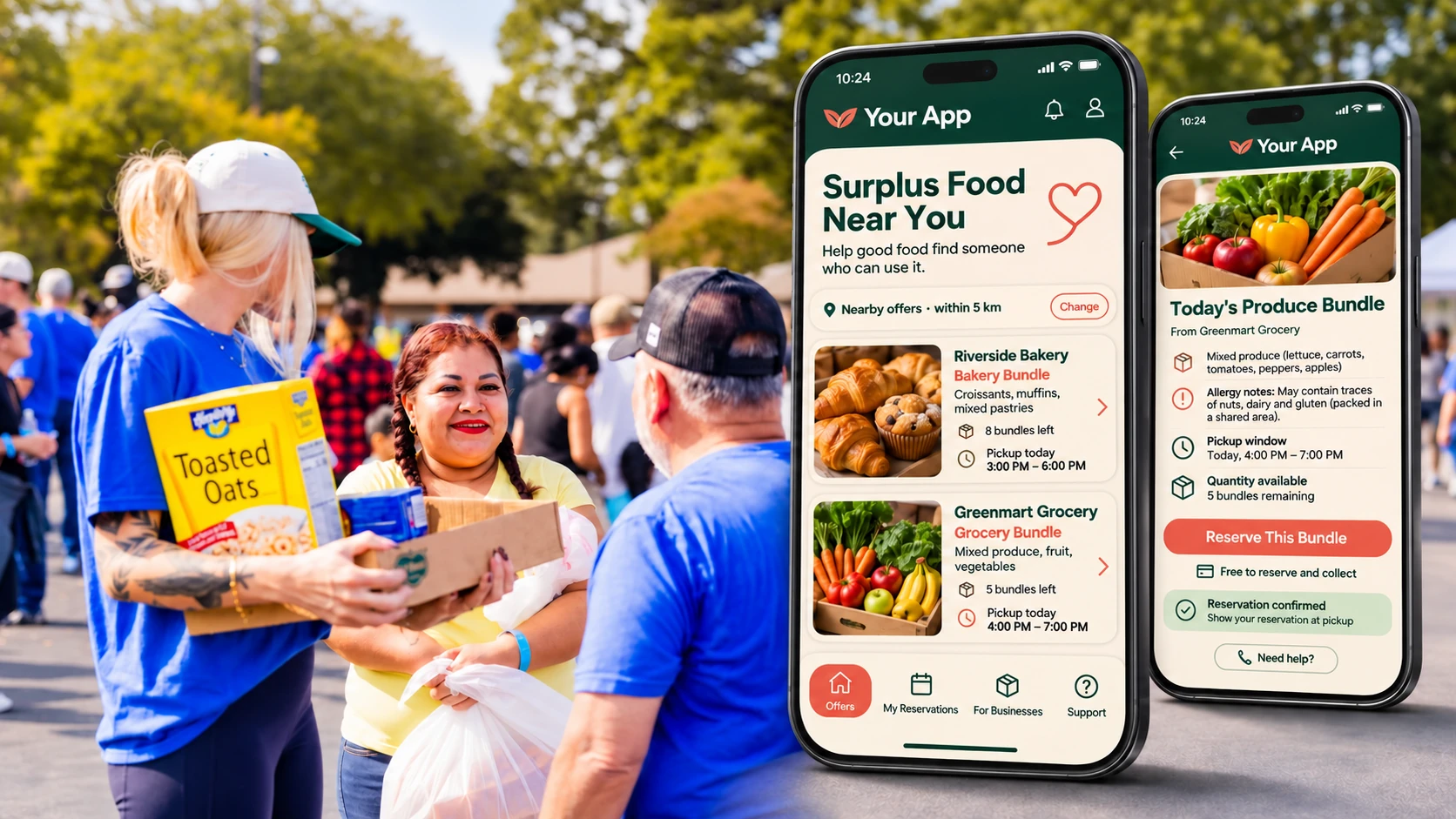
Volunteers distributing food at a community event with people gathered outdoors. Two phone screens preview the surplus food collection app, with no desktop view.App concept
IMAGINE THIS MOMENT

A bakery reaches the end of the afternoon with food it can still offer, but no simple way to tell nearby customers what is available. Your app could turn that changing stock into a clearly described collection offer, with the merchant responsible for accurate food information and a collection window it can honour.

One useful moment.
A reason to open it.

A customer checks an available offer, reads its food and collection details, reserves it and presents the booking record when arriving within the agreed window.

Who would be glad
you built it?

Participating food shops

Offer a limited quantity for collection.

Nearby customers

Understand the contents and pickup conditions.

Collection staff

Confirm reservations without overselling the offer.

A place in their life.
At the right moment.

Why it belongs on a phone

Offers and pickup windows can change quickly. Nearby discovery, timely reservation updates and a pocket collection record make the phone useful at the moment someone can act on an offer.

A reason to come back

Customers return when a suitable nearby offer fits their day. Merchants return when they have an appropriate offer, so the app must handle changing availability honestly.

Location & mapsTimely remindersLive coordination

Where the money
could come from.

A disclosed fee on completed collections could pay for the reservation service. The merchant receives the agreed remainder. Payment processing, merchant support, cancellations and refunds affect the margin. Begin with transparent completed transactions rather than assuming that every listed offer will be collected.

The part you could
make your own.

Try a dependable collection experience for one food category, with precise windows and useful information. Test whether clarity makes the process easier for both shoppers and the staff closing the shop.

An angle to test with the people you want to serve.

Start with something
worth using.

Begin with a few merchants, limited offers and collection confirmation. Show required item information and availability. Avoid delivery and surprise contents until you understand their additional operational and information needs.

  • Merchant offers with required food information
  • Collection windows and availability limits
  • Reservations and clear payment terms
  • Collection confirmation and support route

Give the promise
something to stand on.

WHAT YOU BRING

You need participating merchants and a clear service boundary. Food information, handling, cancellations and collection responsibilities must be settled with appropriate advice before taking real reservations.

Food safety, allergens and storage conditions need appropriate procedures. Surplus does not mean unsafe food may be sold. Merchants must be able to withdraw an offer when it no longer meets the required standard.

Let a small beginning
teach you something.

Work with willing shops to trial a small number of clearly described offers. Follow the reservation through collection and ask staff whether the process fits the end-of-day routine.

THE QUESTION TO TEST

Can a customer understand the offer and collect it within the agreed window without creating extra confusion for staff?

Look for these signs

  • Reserved quantities match available offers.
  • Collection instructions are understood.
  • Uncollected reservations have a clear resolution.
WHEN THE FIRST VERSION HAS TAUGHT YOU MORE
Where you could take it next

Later, add merchant reporting and recurring collection patterns while keeping food eligibility and customer expectations clear.

A little more
clarity.

Can the contents be a surprise?

Only if the offer still provides the information customers need and meets the applicable requirements for that service. Review the format carefully rather than hiding uncertainty behind an attractive photograph.

What if the food is no longer available?

The merchant needs a clear cancellation and refund process. The app should communicate the change promptly and identify who resolves the customer's question.

SOMETHING TO LEARN FROM

Too Good To Go is a reference for surplus food marketplaces.

WHAT COULD GO INSIDE

A few additions
to explore.

Online shop and checkoutGive the customer who already likes your product a clear way to choose it, pay and know what happens next.Maps and local availabilityHelp a visitor connect a useful offer to a real place, with the coverage and arrival details that matter beyond the map pin.Automatic reminders and updatesLet a timely update carry the routine reassurance, so your team can give more attention to the questions that need a person.
MAKE ROOM FOR YOUR VERSION

Now picture it
with your name on it.

Your people. Your priorities. The version you keep thinking about. Answer a few questions and leave with a starting plan you can keep.

Free to explore. No account or email needed for your starting plan.
KEEP THE POSSIBILITIES OPEN

Something else
might speak to you.