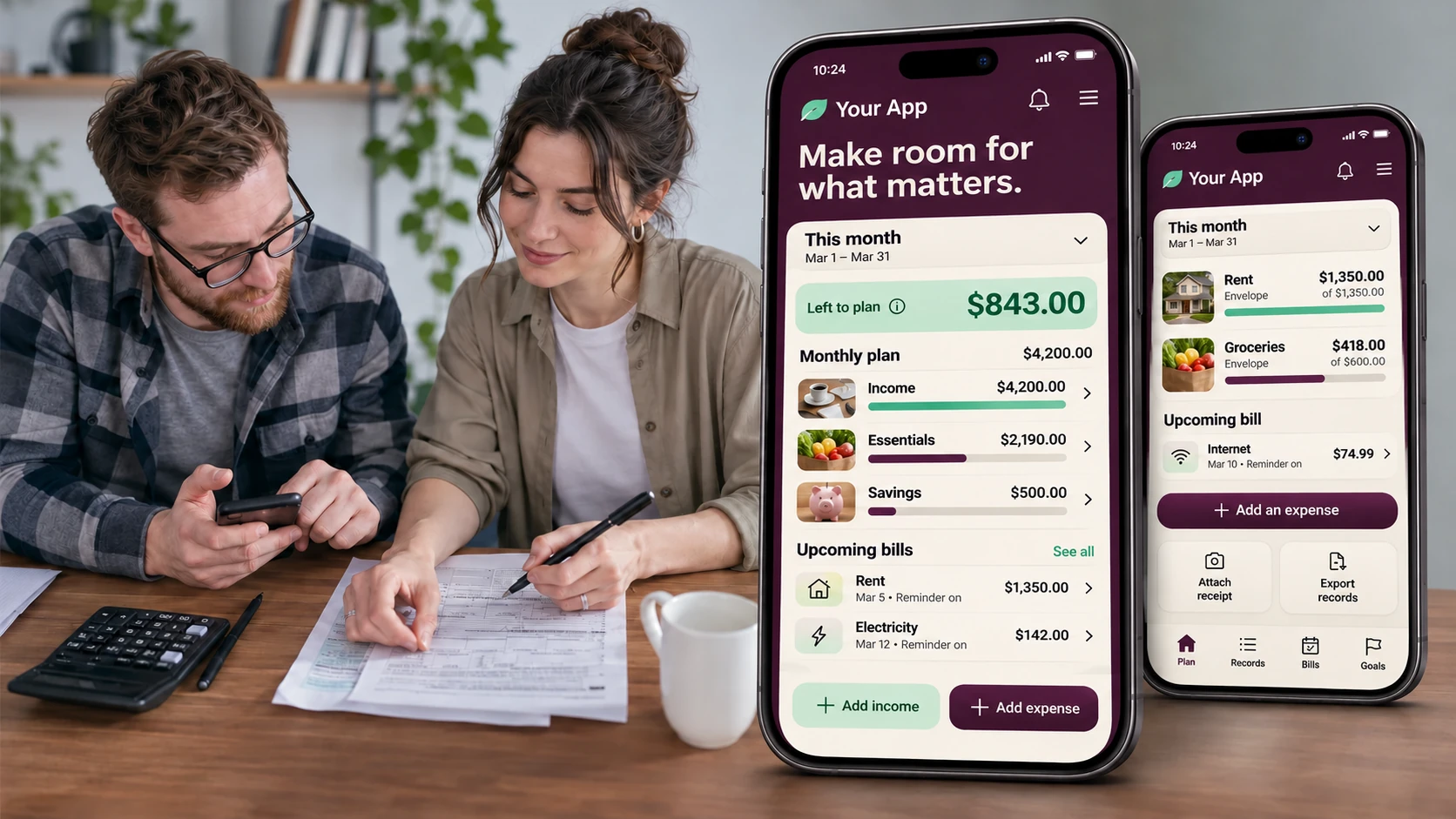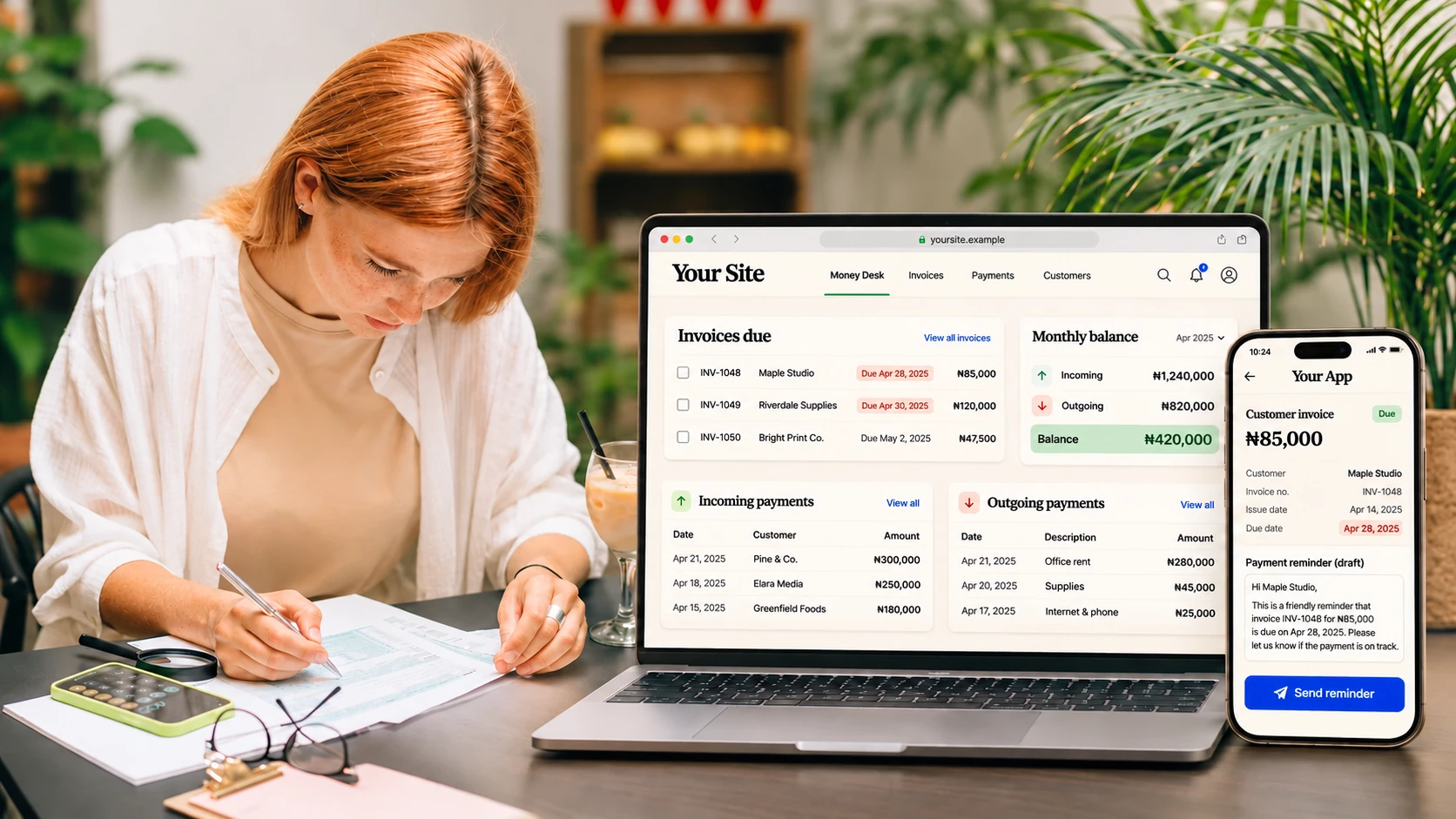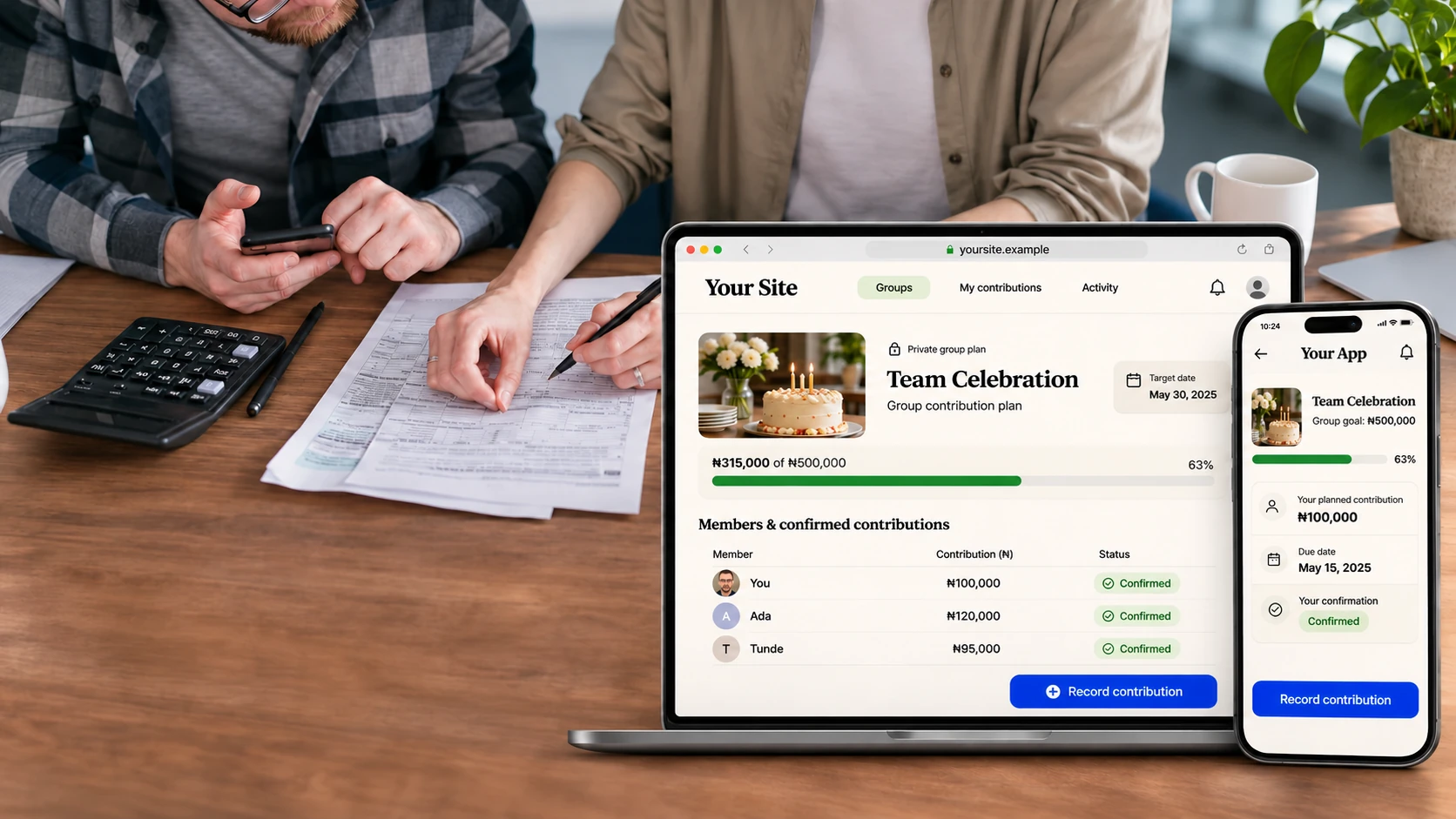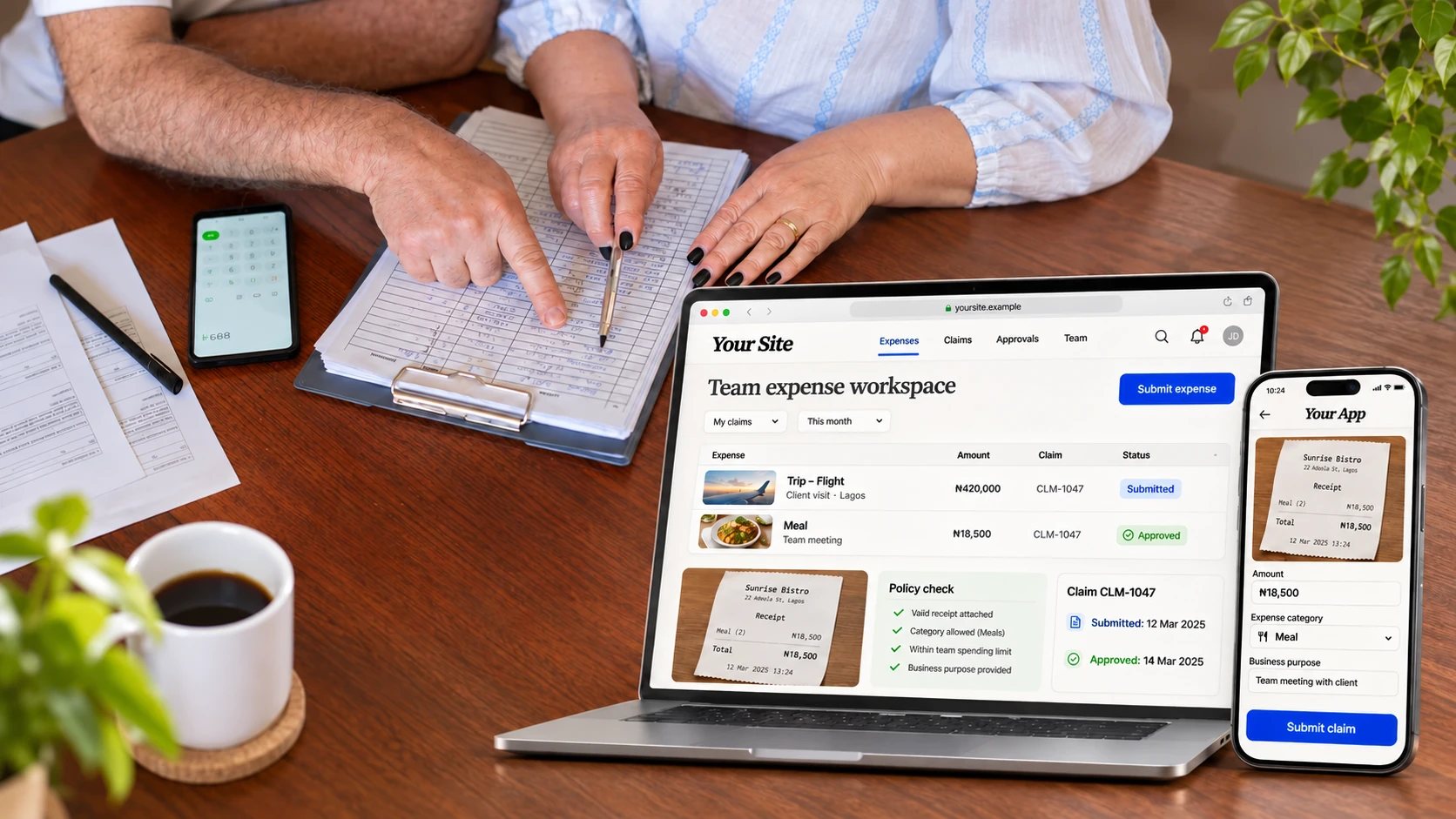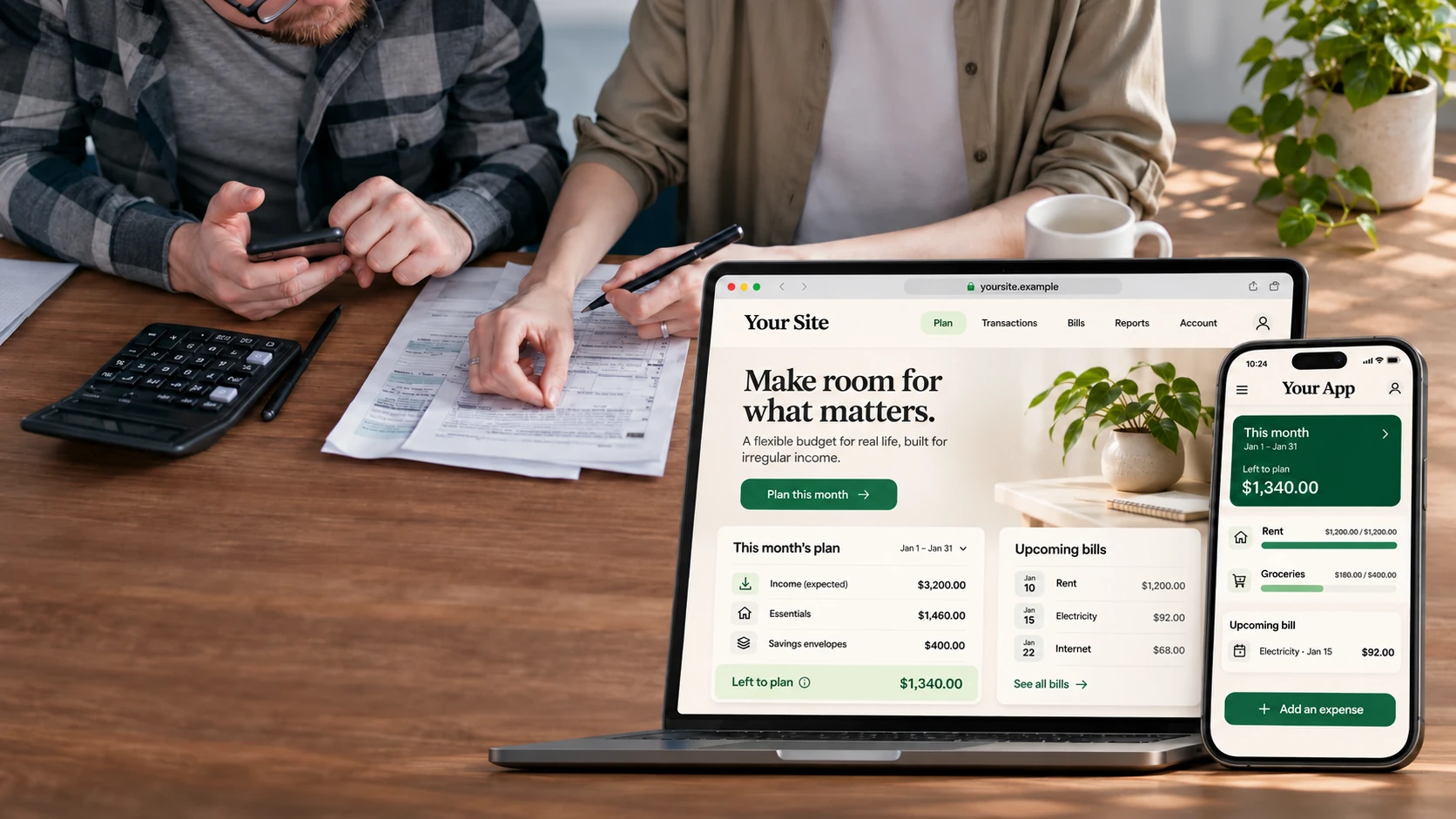
A freelancer receives one payment early and another late, then feels behind despite having worked all month. Your budgeting product could help them separate money already available from money merely expected, see the commitments ahead and make a small useful decision without feeling judged by the screen.
A business you can
picture.
Create a subscription budgeting product for one audience you understand, such as people paid irregularly. Help them plan the money they actually have and keep everyday decisions visible.
Who would be glad
you built it?
People with irregular pay
Plan around money actually received.
Shared households
Discuss agreed spending commitments.
New independent workers
Build a manageable planning routine.
Where the money
could come from.
Individuals could pay a straightforward subscription for the planning product, with a transparent trial and cancellation path. The price should fund secure records, maintenance and support. Test willingness to keep paying after ordinary months, rather than assuming anxiety about money automatically creates demand for another recurring bill.
The part you could
make your own.
A better fit for irregular income could make your version useful. Gentle language, flexible planning periods and a clear distinction between expected and available money are possibilities to test with people who dislike conventional monthly budgets.
An angle to test with the people you want to serve.Start with something
worth using.
Choose one income pattern and start with manual balances, commitments and simple spending plans. Let users adjust assumptions and export their information. Add connections only when they improve a planning habit people already use.
- Income and spending records
- Flexible spending categories
- Planned bills and gentle reminders
Give the promise
something to stand on.
An understanding of everyday budgeting and sensitive product design would help. You need to keep personal information private and explain the difference between a planning tool and regulated or individual financial advice.
Protect financial information, make corrections easy and explain any account connections. Begin with manual entries if reliable bank access is unavailable. A balance shown in the app must have a clear source and date.
Let a small beginning
teach you something.
Invite a small group with irregular income to test a sample month before using their own figures. Ask which decision the tool helps them make and which wording feels confusing, intrusive or discouraging.
Does the person return to adjust a realistic plan when income changes instead of abandoning it?
Look for these signs
- Plans distinguish received and expected money
- Users revise assumptions willingly
- The routine feels understandable and manageable
A little more
clarity.
Does the app need access to bank accounts?
Manual entry can test whether the planning approach helps. Account connections add permission and reliability work; introduce them only when users understand the benefit and have a clear way to manage or revoke access.
Can it tell users which investments to buy?
That is a different service from everyday budgeting and may involve professional and regulatory obligations. Keep the first offer focused on organising commitments and choices, with clear boundaries around personalised financial recommendations.
YNAB is a reference for a budgeting app.
Now picture it
with your name on it.
Your people. Your priorities. The version you keep thinking about. Answer a few questions and leave with a starting plan you can keep.
Free to explore. No account or email needed for your starting plan.