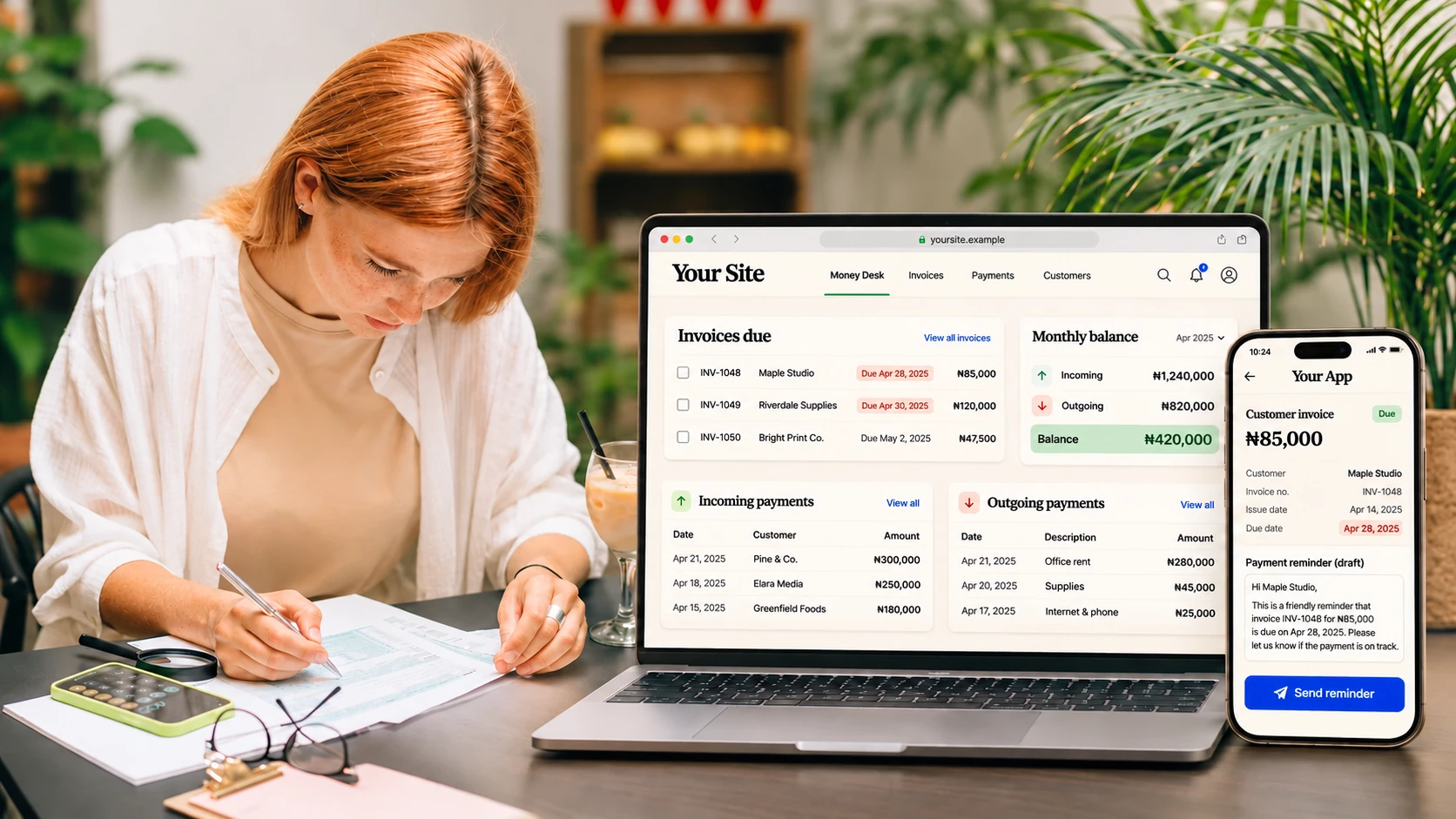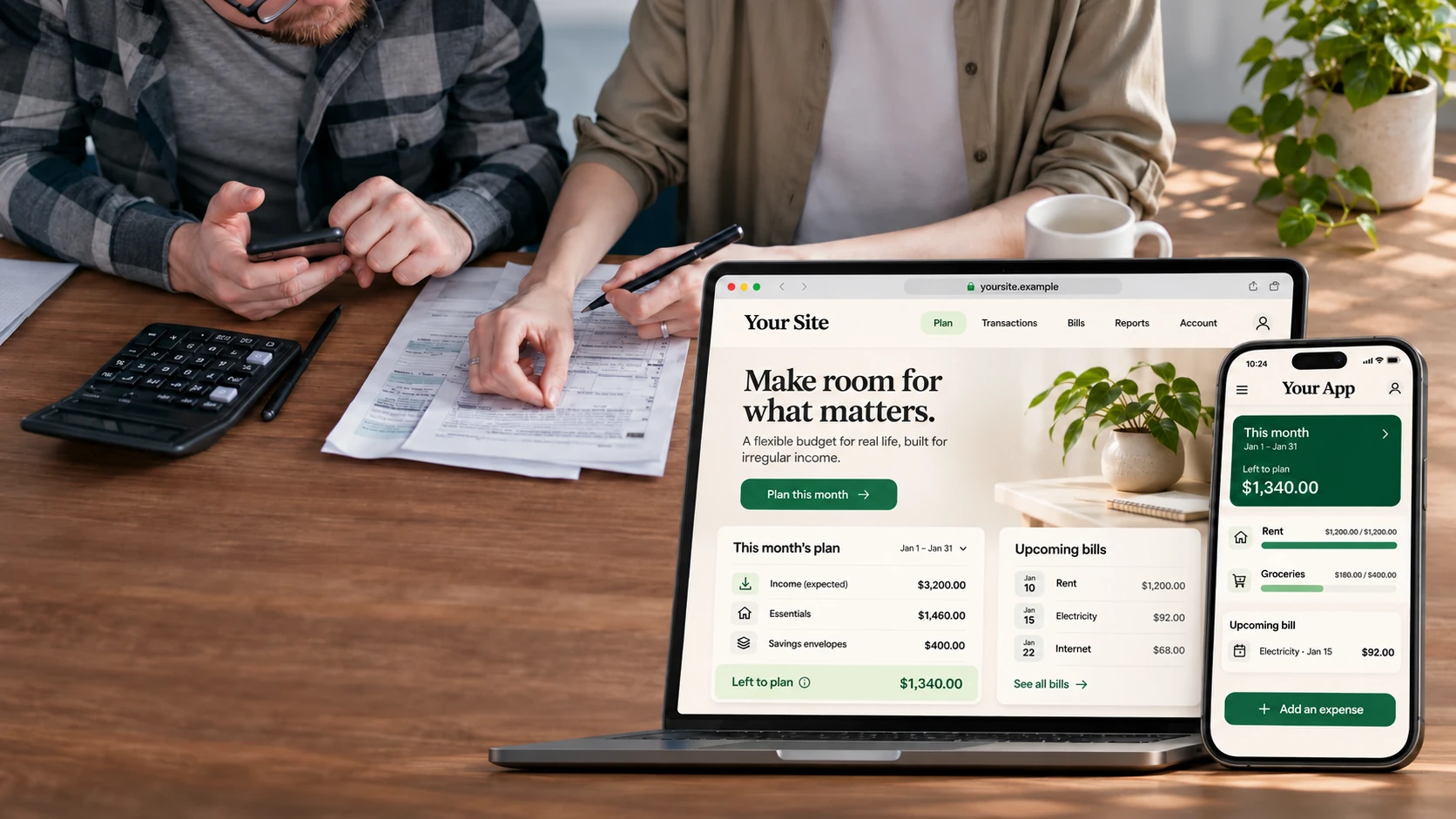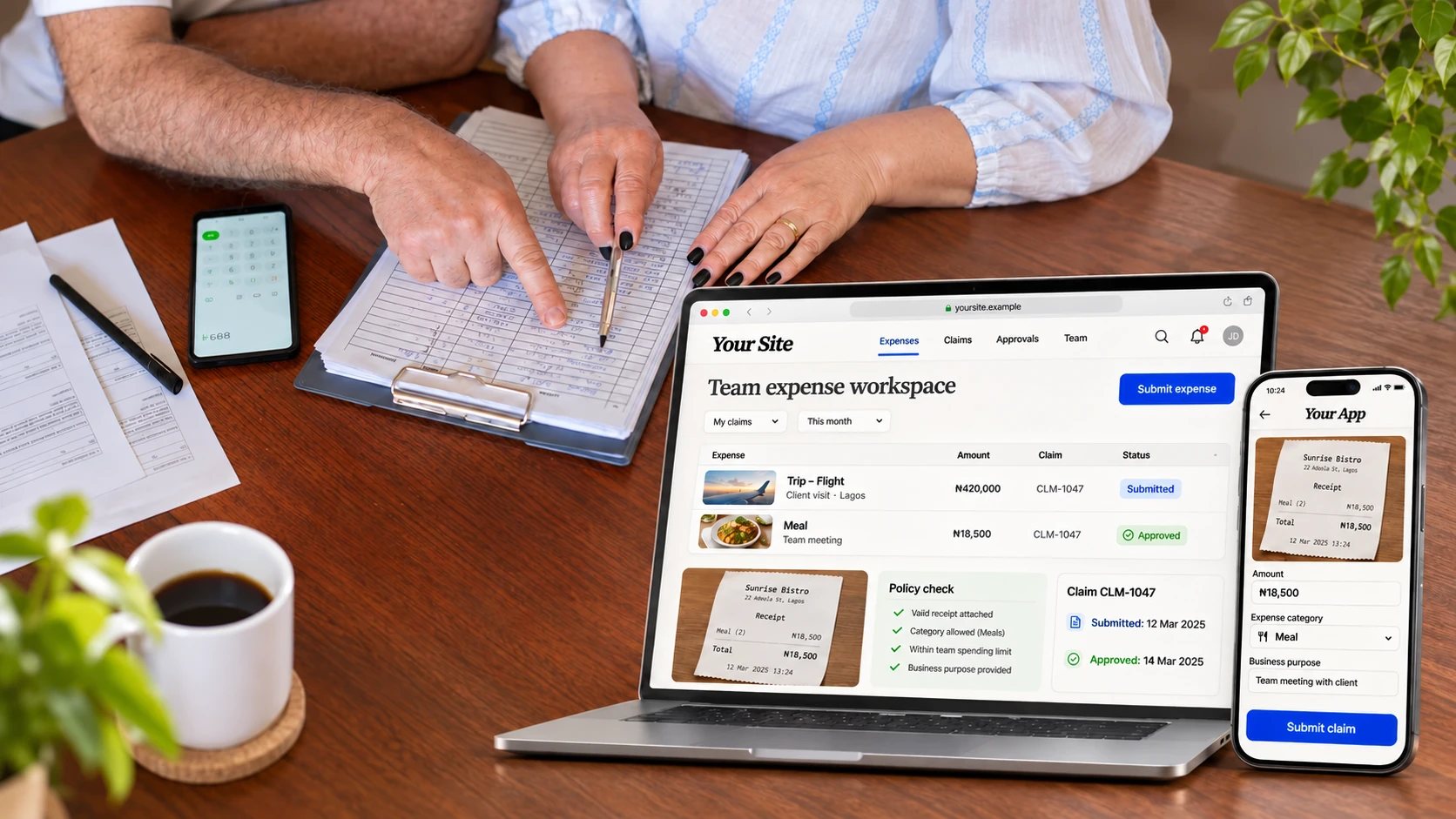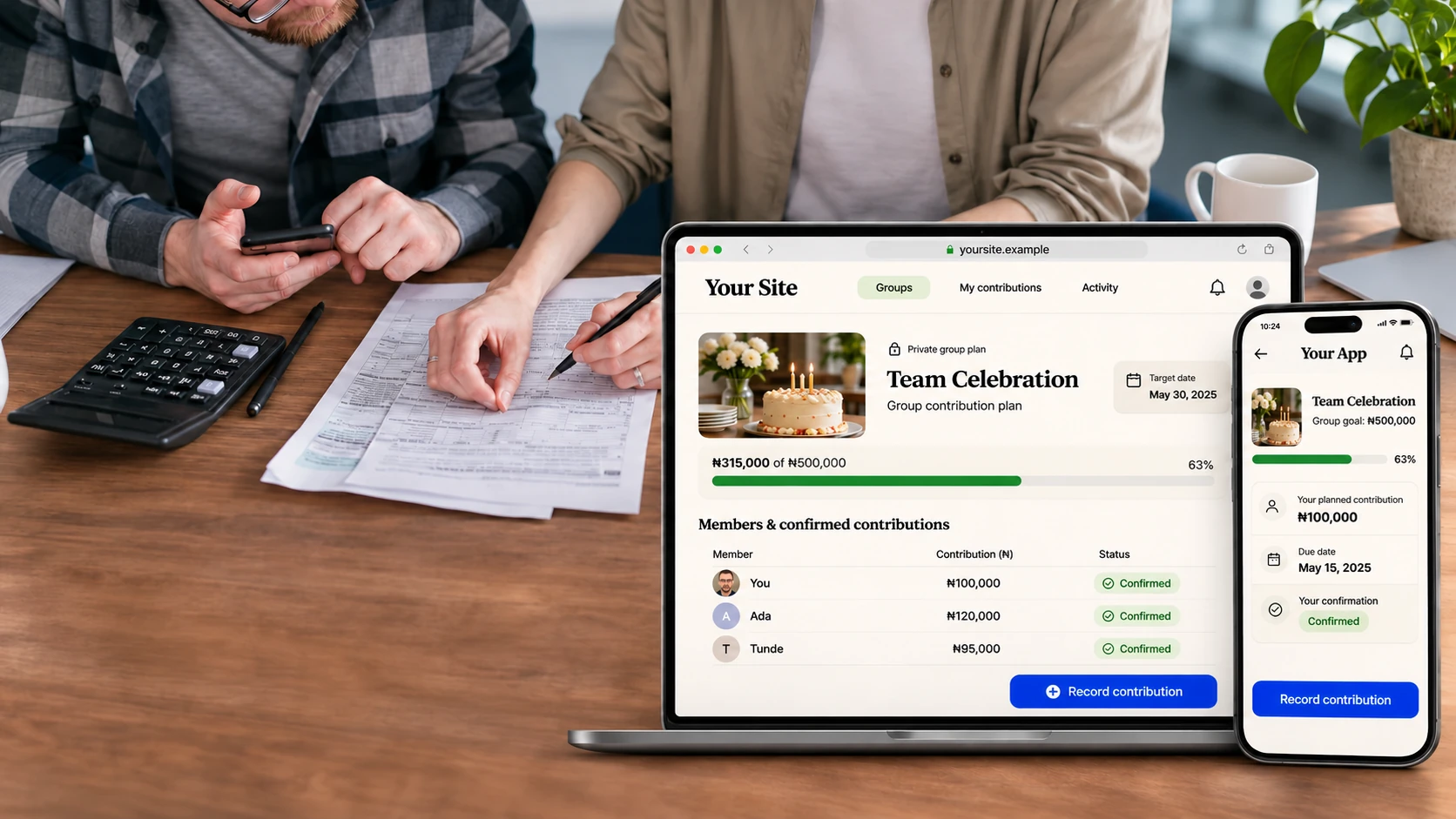
Imagine a family arranging a celebration. One person has paid, another has promised, and the organiser is checking screenshots late at night. Your service could give the group a shared picture of the agreement and its progress, without making the organiser repeat the same update individually.
A business you can
picture.
Start with one group and one goal. This first product organises the plan and records; members make payments through their existing arrangements.
Who would be glad
you built it?
Family organisers
Track agreed contributions for one occasion.
Associations
Coordinate member-funded projects transparently.
Small clubs
Keep collection dates and confirmations visible.
Where the money
could come from.
A group organiser could buy access for a project or an association could pay for several active groups. Charge for coordination, permissions and dependable records. Support, storage and resolving record errors cost time, so test whether the payer values the service after the initial setup excitement passes.
The part you could
make your own.
Your possible advantage is a calmer agreement process: visible changes, understandable reminders and a household-friendly view. Explore whether that transparency feels more useful than a shared spreadsheet without becoming another source of social pressure.
An angle to test with the people you want to serve.Start with something
worth using.
Build one private group, an agreed target, due dates and payment confirmations recorded by named members. Money can continue moving through the group's existing arrangements while you test the coordination value.
- Set the shared goal and agreed contribution dates.
- Record payment confirmations with permission.
- Let members query an entry and see an agreed correction.
- Provide private statements and a history of changes.
Give the promise
something to stand on.
You would bring an understanding of group coordination and the patience to make disagreements visible without inflaming them. The first service needs clear records and permissions more than elaborate financial features.
The service needs careful permissions, secure records, notifications and someone to help when entries are disputed. It would not hold or transfer funds, guarantee contributions or promise returns. Adding payment or investment functions changes the scope.
Let a small beginning
teach you something.
Work with an organiser who already has a real upcoming project. Ask members how they want updates shared, then follow one contribution cycle and note where questions or conflicting records still appear.
Does a shared record reduce repeated payment questions without making members feel watched or pressured?
Look for these signs
- Members confirm their own records
- Fewer disputed payment statuses
- Organisers reuse the plan
A little more
clarity.
Will the platform hold the group's money?
The starting version can organise agreements and confirmations without holding funds. Moving money is a separate product decision that changes provider, operating and regulatory requirements; it should not be quietly added to a planning tool.
What happens when someone records the wrong payment?
Keep who entered and confirmed the record visible, and allow a correction with a reason. Members need a way to question an entry rather than having an organiser silently overwrite it.
Would the app guarantee that everybody pays?
No. It helps people keep track of their agreement. It cannot guarantee a member’s payment or behaviour.
Could it become a wider finance platform?
Possibly. Start with the coordination need; any money-handling service needs its own provider, permissions and review.
Splitwise helps people record and divide shared expenses. It offers an adjacent reference; this idea concentrates on future contributions and the progress of an agreed project.
Now picture it
with your name on it.
Your people. Your priorities. The version you keep thinking about. Answer a few questions and leave with a starting plan you can keep.
Free to explore. No account or email needed for your starting plan.