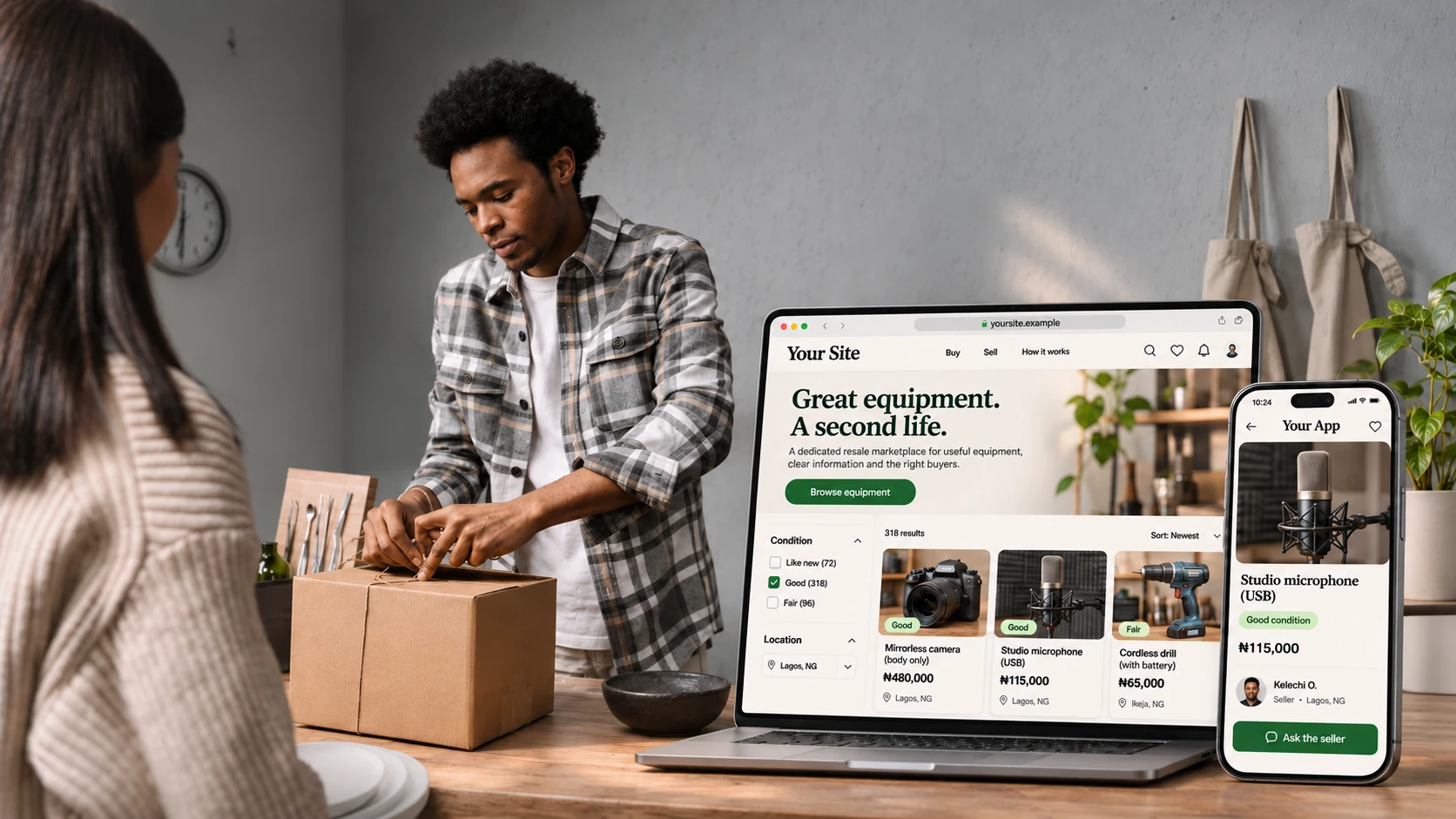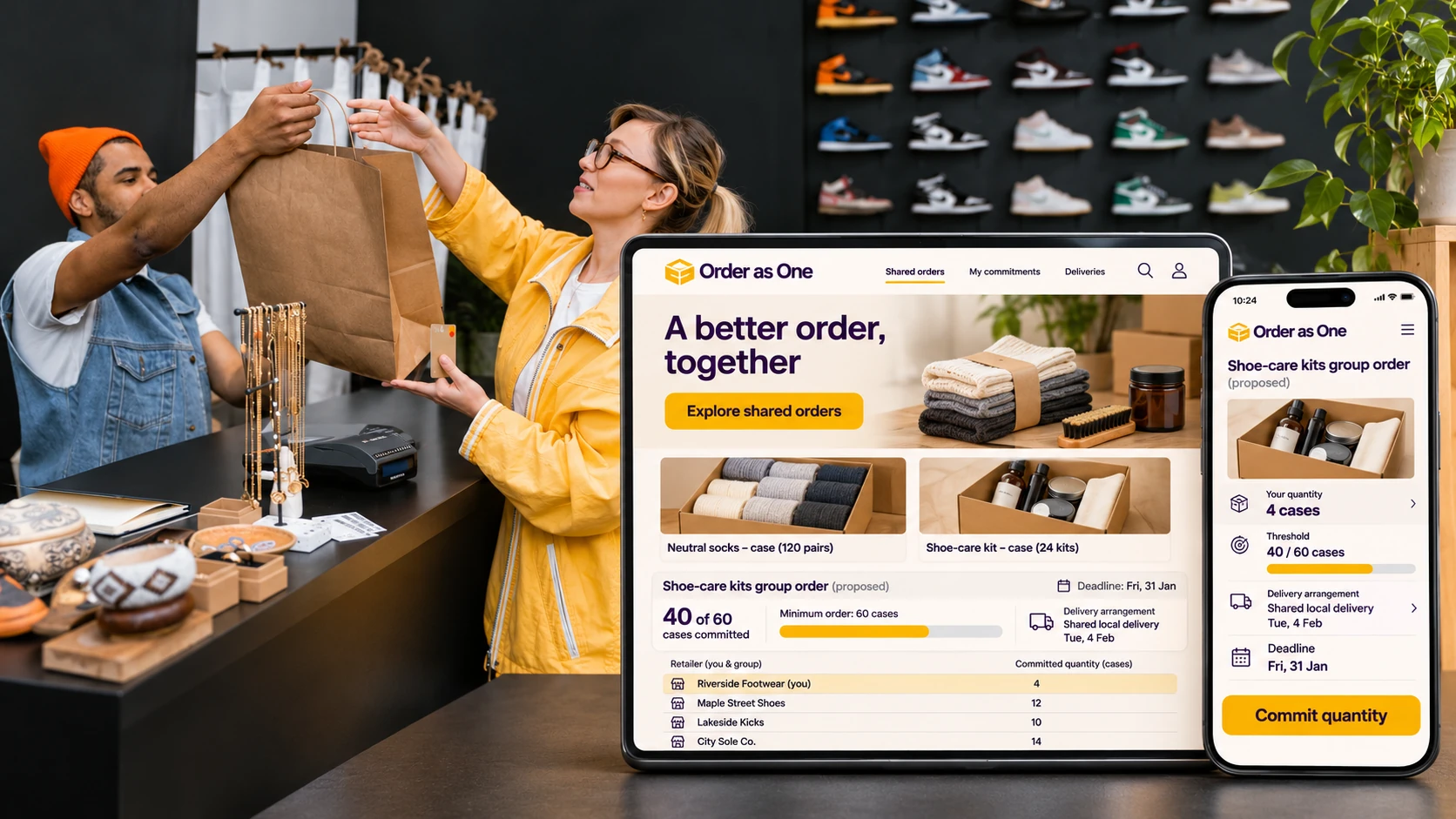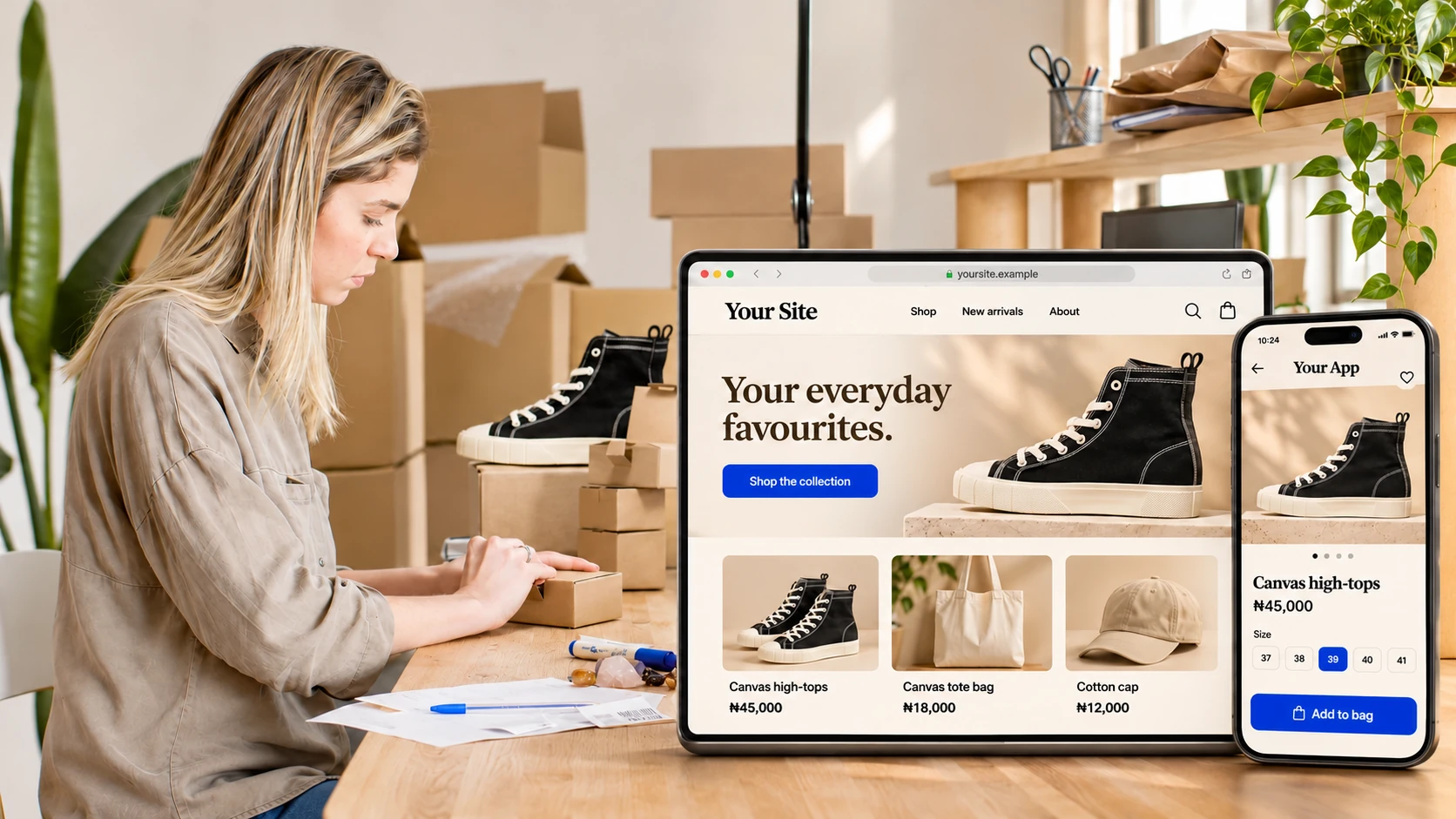
A shop owner finds a promising brand online but cannot tell the minimum order, lead time or whether the range suits their customers. Your marketplace could put the product story beside the trading details, turning an attractive discovery into a more informed business buying conversation.
A business you can
picture.
Connect independent brands with business buyers. Show wholesale quantities, lead times and ordering terms clearly, with a process for questions before a retailer places an order.
Who would be glad
you built it?
Independent retailers
Compare suitable products and wholesale terms.
Emerging brands
Present a clear offer to business buyers.
Store buying teams
Keep supplier enquiries and orders organised.
Where the money
could come from.
Suppliers could share a disclosed fee on completed wholesale orders. Start with that transaction route if the platform supports ordering. Supplier onboarding, buyer support, payment handling and disputes cost time; a sale's total value is not platform income, and retailer margins remain their own business calculation.
The part you could
make your own.
A well-curated category with useful trade detail could stand out. Test whether realistic lead times, reorder quantities and clear product positioning help a buyer choose more confidently than a broad catalogue of attractive brand images.
An angle to test with the people you want to serve.Start with something
worth using.
Choose one retail category and a small supplier group. Show trade prices, quantities, lead times and enquiry routes. Confirm responsibility for fulfilment and returns before enabling broad ordering across many brands.
- Brand catalogues and trade prices
- Minimum quantities and lead times
- Business ordering and supplier communication
Give the promise
something to stand on.
You need a feel for a particular retail category and reliable supplier relationships. Product discovery matters, but order terms, availability and the way problems are resolved determine whether buyers return.
Supplier checks, order accuracy, delivery expectations and returns need practical procedures. Business buyers must understand whether stock is confirmed or awaiting supplier acceptance.
Let a small beginning
teach you something.
Invite retailers to assess a few genuine wholesale offers and explain what is missing before they would order. Follow early enquiries through supplier response and delivery, rather than treating saved products as evidence of a trading relationship.
Can a retailer judge whether a brand fits their shop and understand the complete first-order commitment?
Look for these signs
- Supplier terms are complete and current
- Enquiries receive useful responses
- First orders match agreed expectations
A little more
clarity.
Should prices be visible to every visitor?
That depends on the suppliers' trading approach. A trade-account process can be appropriate, but explain access clearly and avoid forcing retailers through unnecessary steps just to discover basic suitability.
Who handles an order problem?
Make the supplier's and platform's roles explicit before checkout. Buyers need a clear route for missing, damaged or late goods, with the agreed terms available to everyone involved.
Faire is a reference for wholesale brand discovery.
Now picture it
with your name on it.
Your people. Your priorities. The version you keep thinking about. Answer a few questions and leave with a starting plan you can keep.
Free to explore. No account or email needed for your starting plan.