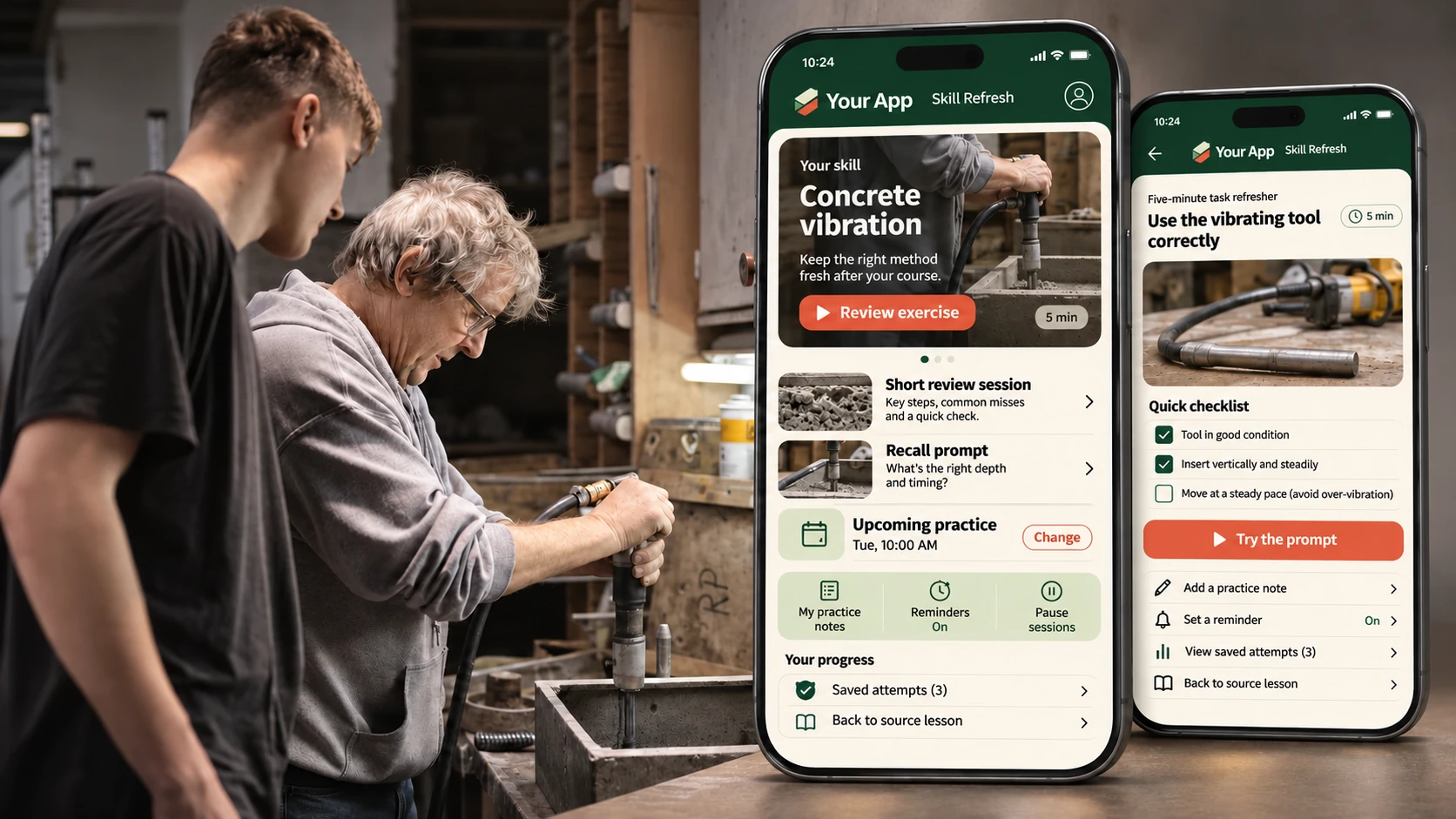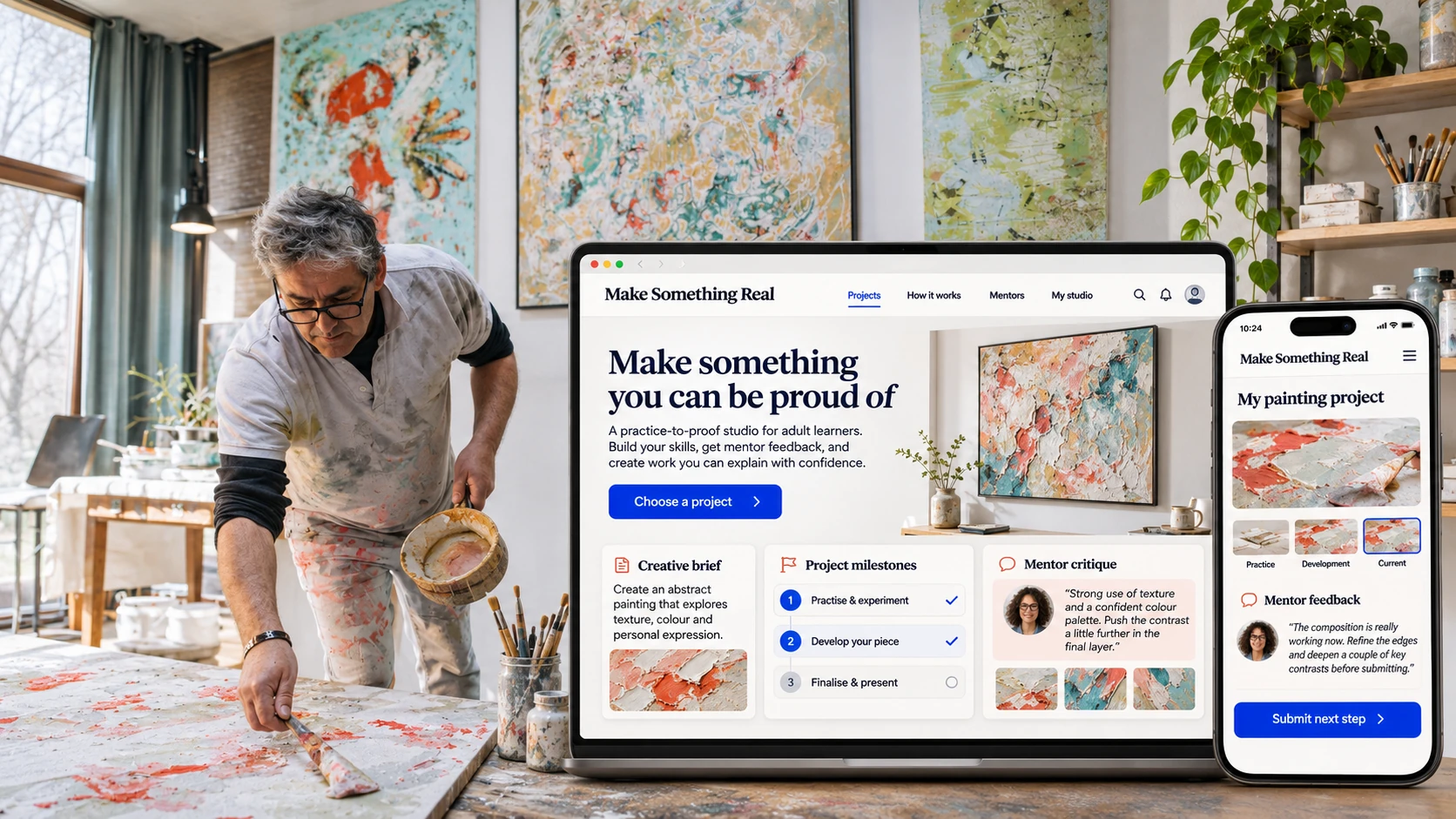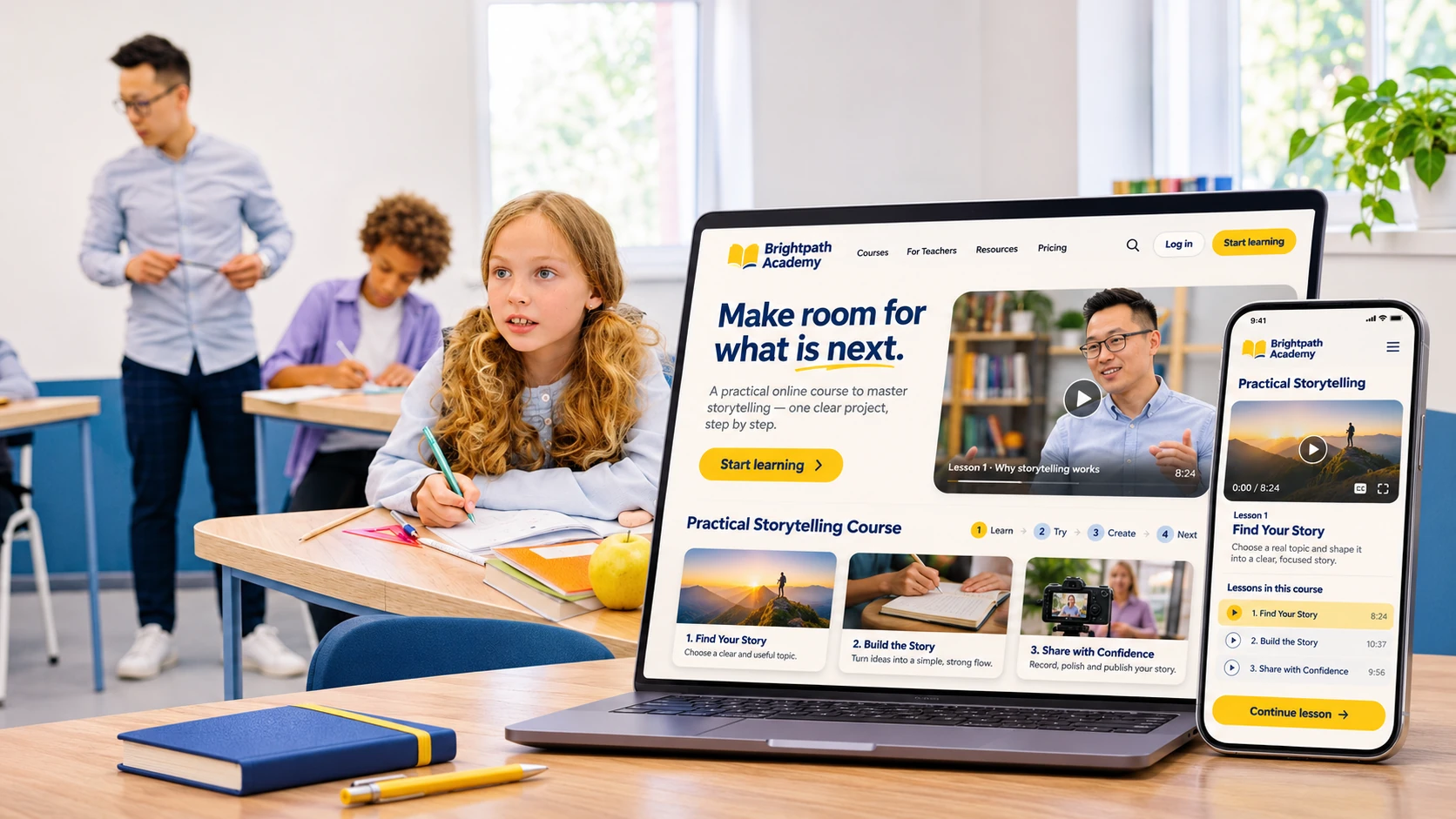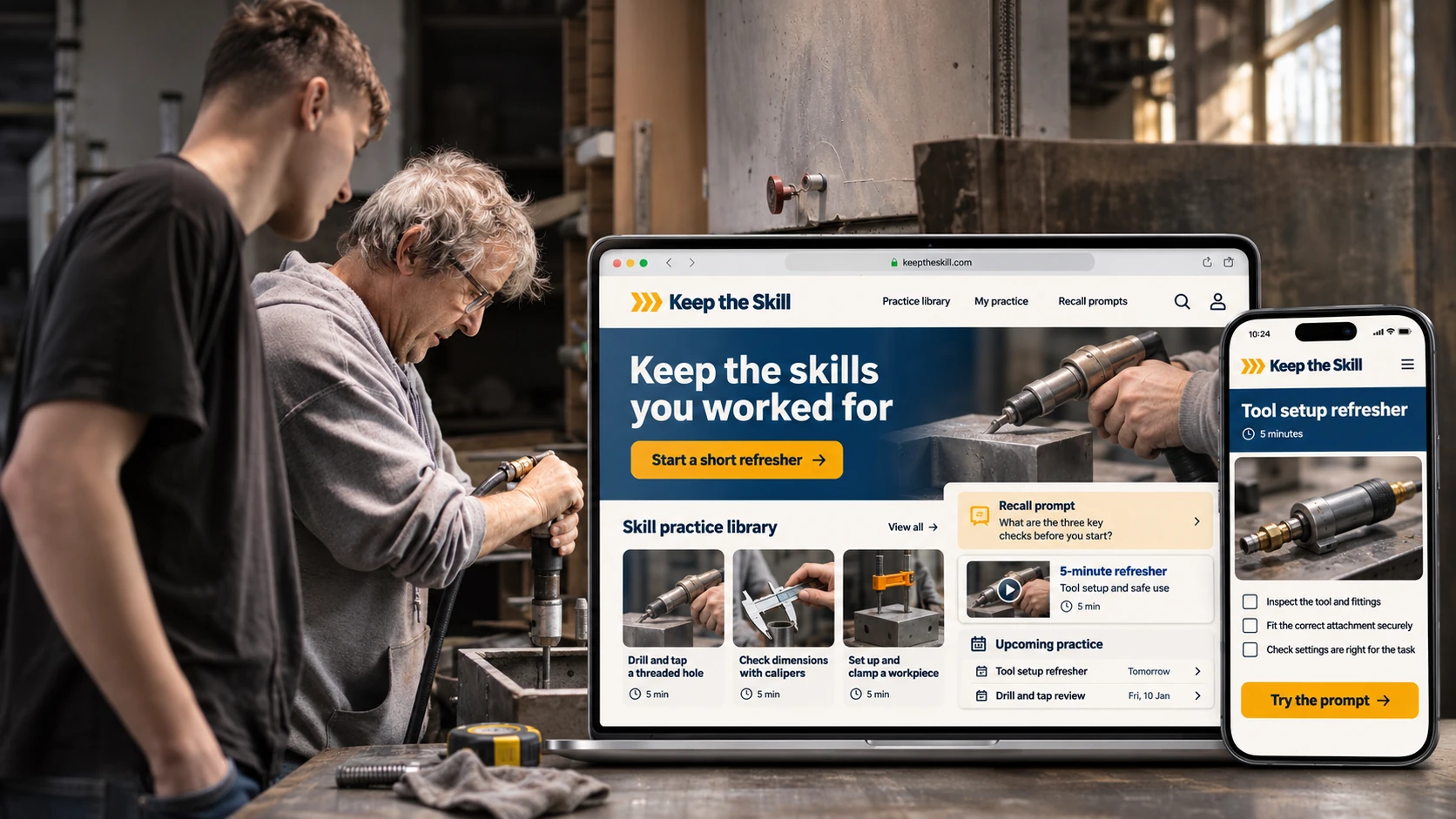
Someone finishes a course feeling capable, then the first real chance to use the skill arrives weeks later. The lesson is familiar but the steps feel distant. Your service could offer small, relevant practice tasks that keep the skill in use and reveal where another explanation would help.
A business you can
picture.
Choose one practical subject and develop a sequence of short scenarios. Members attempt a task, compare their approach with a reviewed example and keep a record of areas to revisit.
Who would be glad
you built it?
Recent course graduates
Purposeful practice between instruction and real use
Training providers
A defined follow-on offer after a course
Employers developing teams
Practice linked to agreed workplace tasks
Where the money
could come from.
Learners or a training provider could pay for a defined practice membership. Pick one initial buyer and explain the included topics and review support. Fees must cover task creation, qualified checking, maintenance and assistance. Test whether people value continued practice before relying on long subscriptions or claiming that completion produces a recognised qualification.
The part you could
make your own.
Your angle could be practice that resembles the next real task, such as cleaning a small spreadsheet or writing a useful client brief. This gives the learner a concrete reason to return beyond maintaining a streak.
An angle to test with the people you want to serve.Start with something
worth using.
Choose one skill from an existing course. Offer a short sequence of realistic practice tasks, explanatory feedback and a place to note uncertainty. Let learners revisit earlier work without turning every visit into a competitive score.
- Offer brief scenarios with clear learning aims.
- Show reviewed explanations after an attempt.
- Let members choose what to practise again.
Give the promise
something to stand on.
You need subject reviewers who can create useful tasks and explain mistakes constructively. Content must stay current, and participation records should not be mistaken for proof of professional competence.
Use qualified reviewers for specialist material and update content when the underlying practice changes. Completion badges should describe participation accurately and should not imply professional competence or certification.
Let a small beginning
teach you something.
Partner with a course provider and invite recent graduates to a short trial. Ask learners to attempt a relevant task before and after using the practice material, focusing on where they still need support.
Does the practice help learners attempt a relevant task and recognise the parts they have not yet understood?
Look for these signs
- Learners return for relevant practice
- Mistakes lead to useful explanations
- Completion records describe participation accurately
A little more
clarity.
Is completing the programme a qualification?
Only claim a qualification if a legitimate recognised arrangement supports it. Otherwise describe the topics practised and participation honestly without implying professional certification or readiness for unsupervised specialist work.
Should every activity be a quiz?
No. A short worked task, draft, calculation or review can better reflect the skill. Choose the activity around what the learner needs to do, not a single exercise format.
What should my first version focus on?
Start with the first test described here, then build around the part people actually use and would pay to keep.
Now picture it
with your name on it.
Your people. Your priorities. The version you keep thinking about. Answer a few questions and leave with a starting plan you can keep.
Free to explore. No account or email needed for your starting plan.