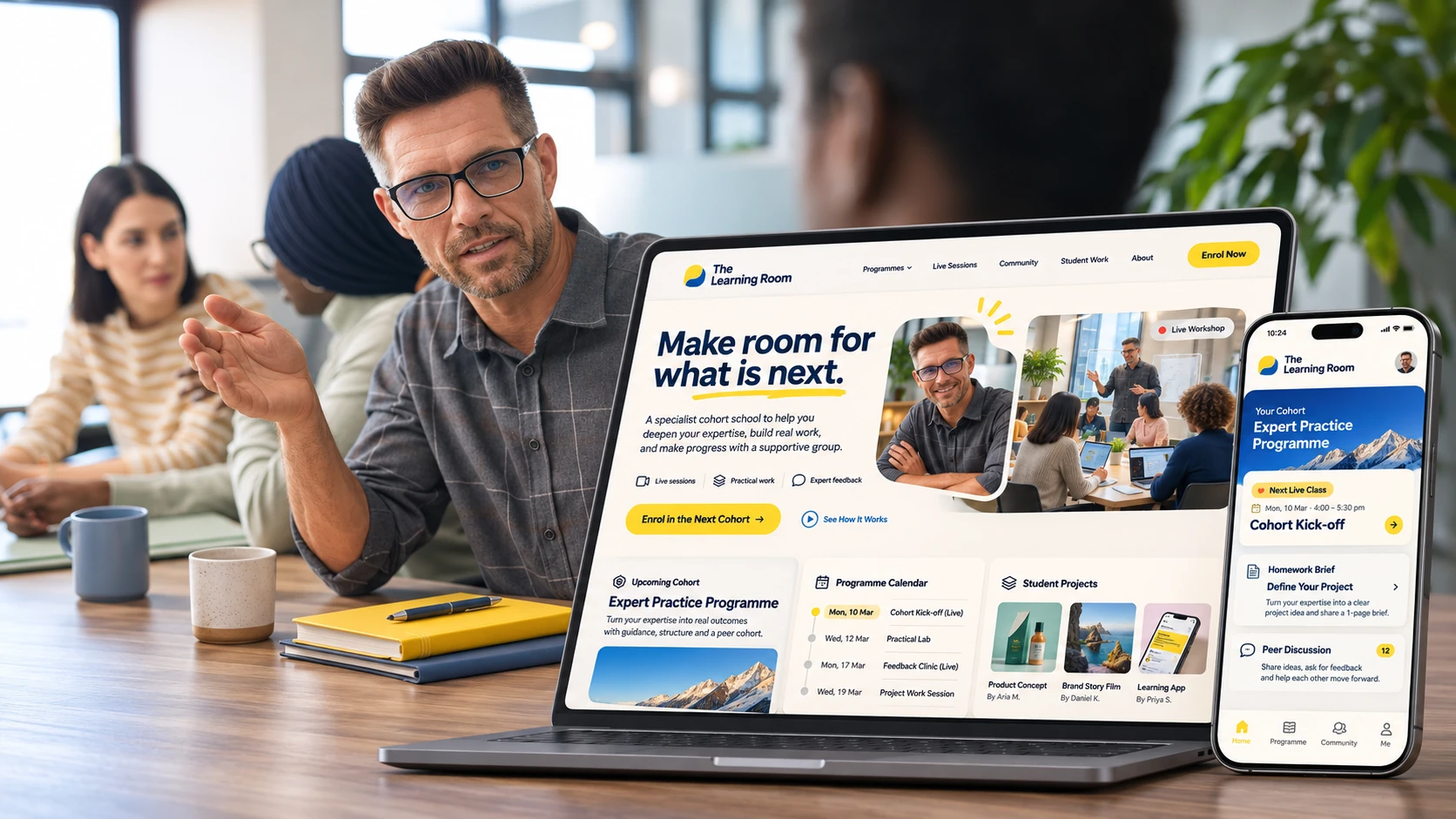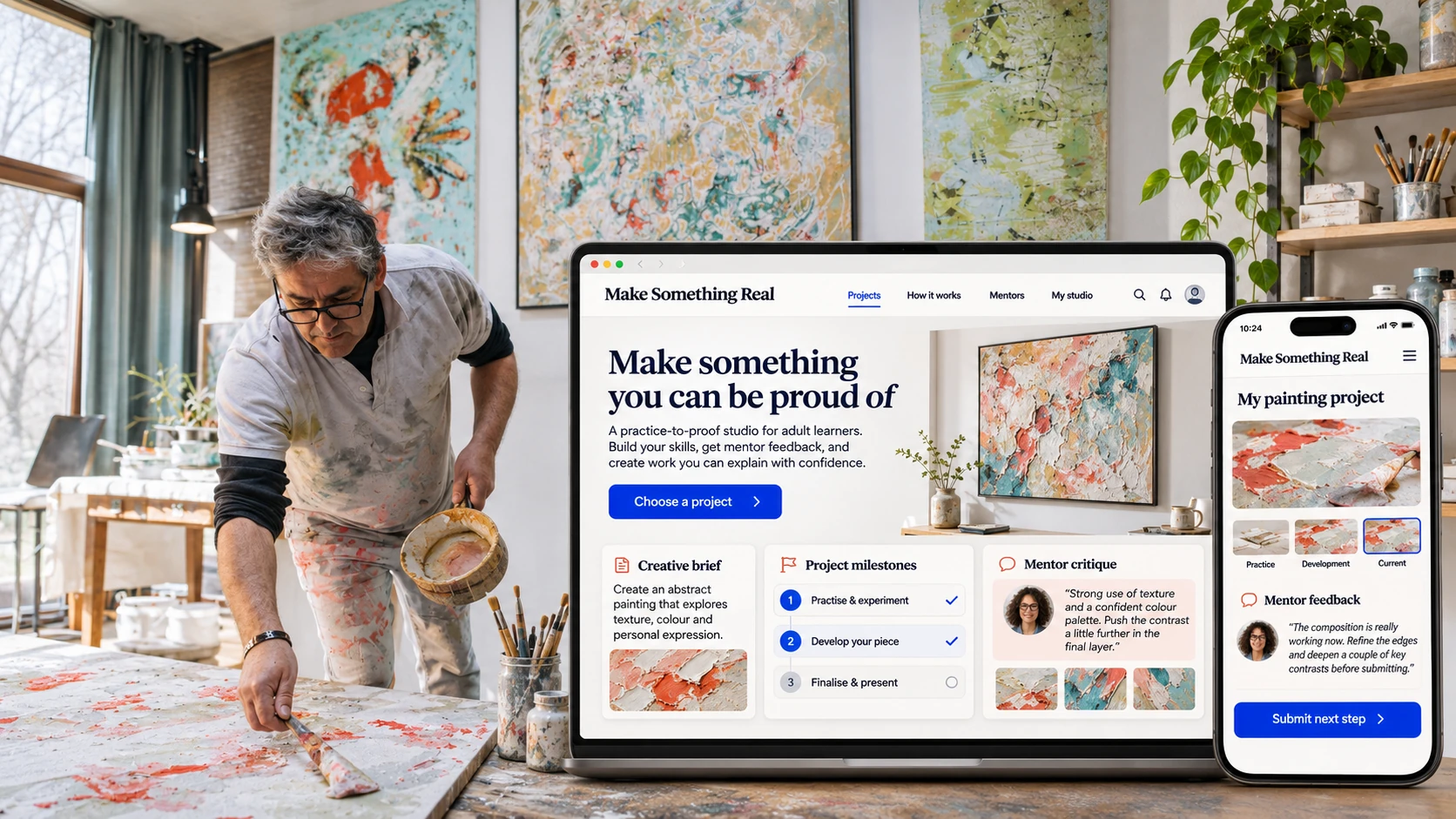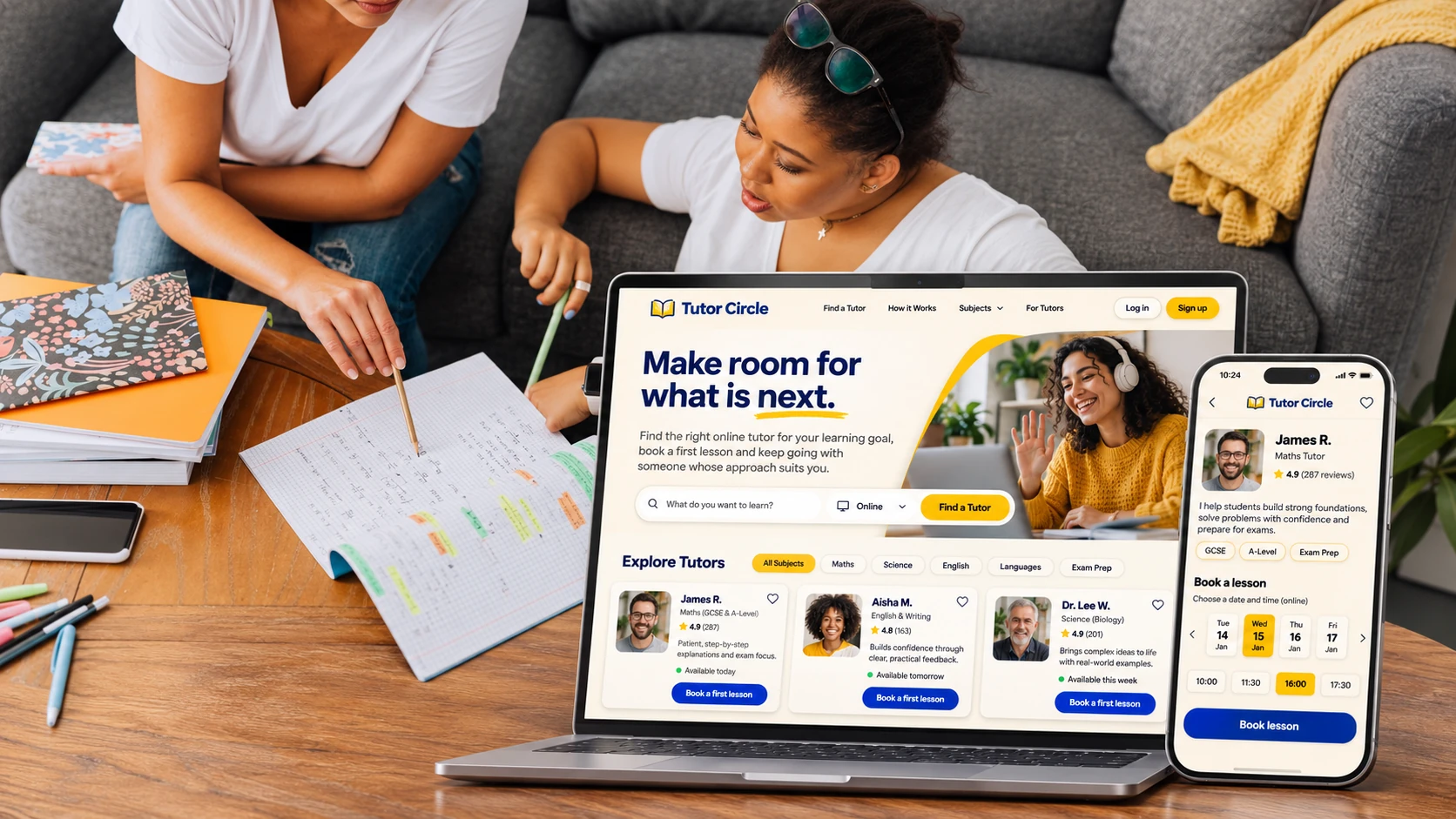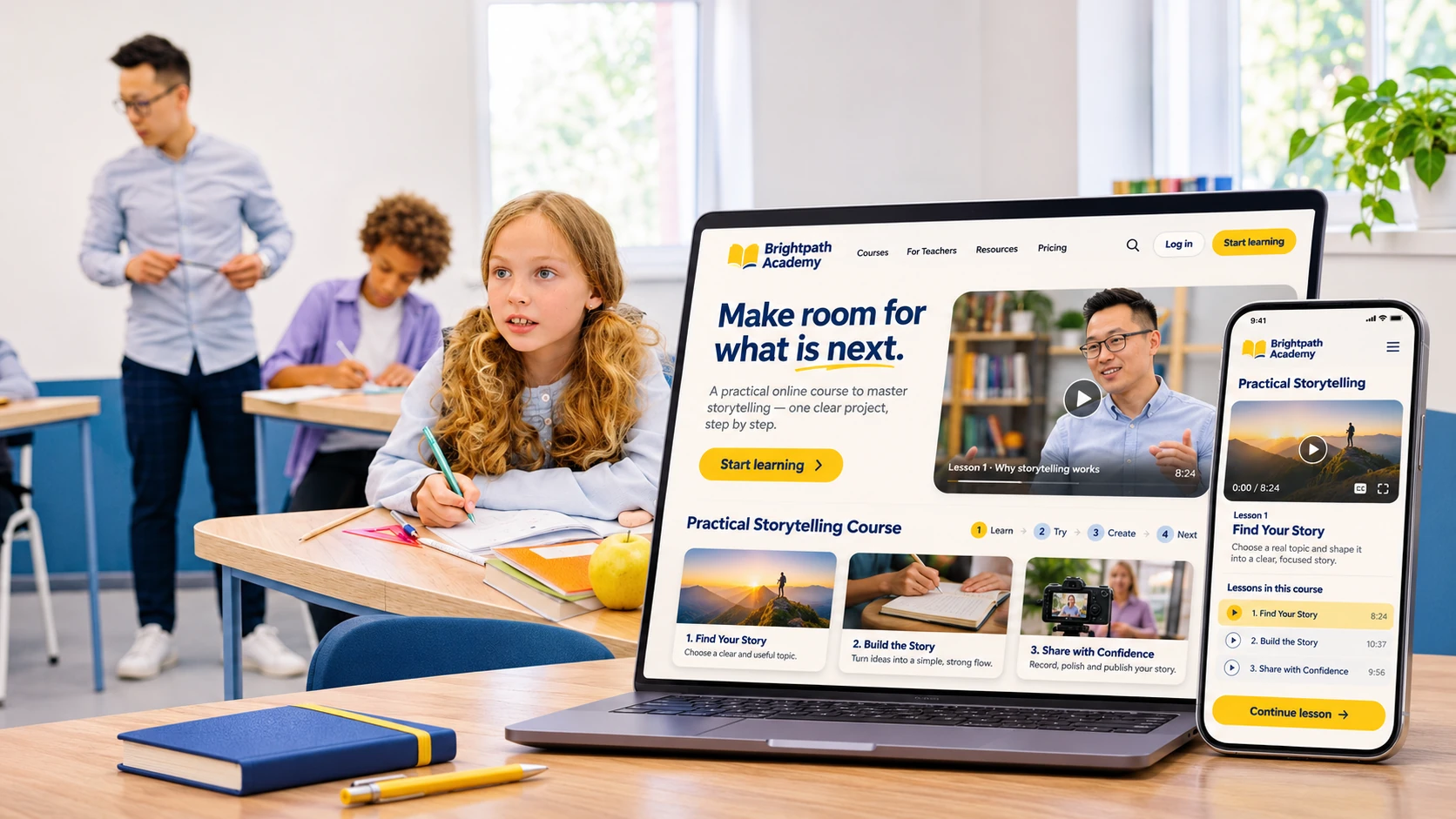
Someone asks you the same practical question for the third time this week. Another person would love the explanation but cannot attend your live session. Your academy could organise that knowledge into a clear learning path, with examples and tasks that make progress feel possible at the learner's own pace.
A business you can
picture.
Build a course business around one practical outcome. Break the learning into manageable lessons, show what learners should try and give them a clear sense of what comes next.
Who would be glad
you built it?
Working adult learners
Study a practical skill around existing commitments.
People starting a new task
Find an explanation and exercise they can revisit.
Small employers
Give staff access to relevant training.
Where the money
could come from.
Learners could pay once for a defined course and stated access period. Start with that clear purchase before adding a subscription. Recording, editing, updates, payment charges and learner support are real costs; the commercial value comes from a useful learning experience rather than the number of videos available.
The part you could
make your own.
Your working examples could make the course feel unusually relevant. Teaching a skill through the exact situations a chosen audience faces may help them apply it sooner. Test that application rather than relying on completion badges alone.
An angle to test with the people you want to serve.Start with something
worth using.
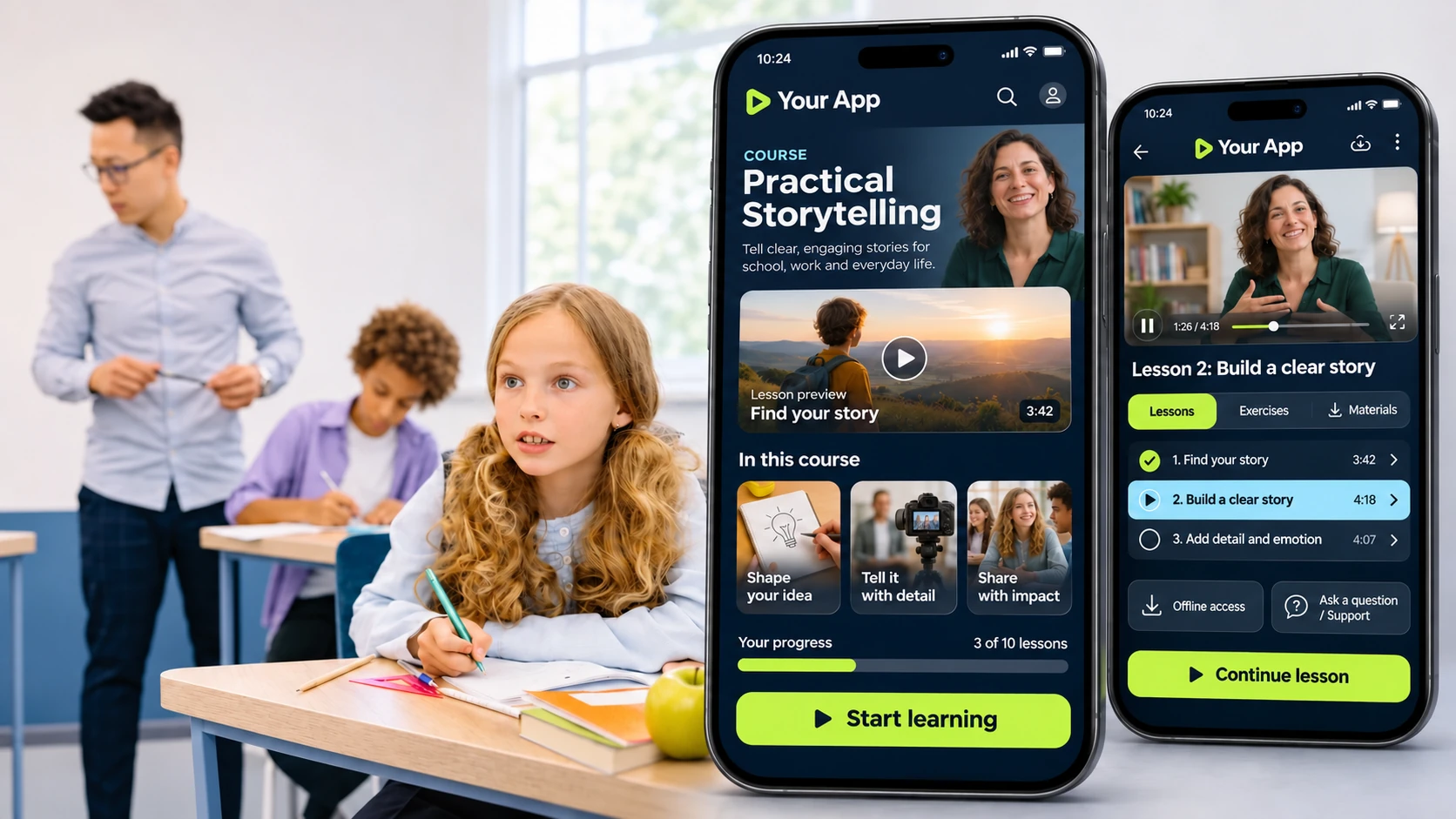
Build one course around one useful outcome. Include short lessons, practice tasks, a clear sequence and a way to ask for help. Show a sample before purchase so learners can assess the teaching style.
- Structured lessons and resources
- Exercises with worked explanations
- Learner progress and questions
Give the promise
something to stand on.
You need a skill you can explain clearly and examples that reflect real use. Course maintenance and learner questions continue after recording; decide how much personal support the offer includes.
You need accurate material, rights to the content and a realistic support promise. Keep completion certificates distinct from professional accreditation. Review lessons when the underlying subject changes.
Let a small beginning
teach you something.
Invite people who already ask you about the subject to try one lesson and task. Watch where instructions fail, then pilot the complete course with a small paid group before recording a large library.
Can learners use the lesson to complete a meaningful task without you explaining every step again?
Look for these signs
- Practice tasks are attempted
- Learners can find their next lesson
- Questions reveal specific improvements to make
A little more
clarity.
Must every lesson be video?
Use the format that helps the task: a demonstration, written guide, worksheet or audio explanation. A clear practice exercise may be more useful than a long video that learners struggle to revisit.
How much support should the course include?
Define it before selling. A self-paced course can include limited questions or scheduled office hours, but personal reviews require time and should be reflected in the scope and price.
Teachable is a reference for selling online courses.
Now picture it
with your name on it.
Your people. Your priorities. The version you keep thinking about. Answer a few questions and leave with a starting plan you can keep.
Free to explore. No account or email needed for your starting plan.