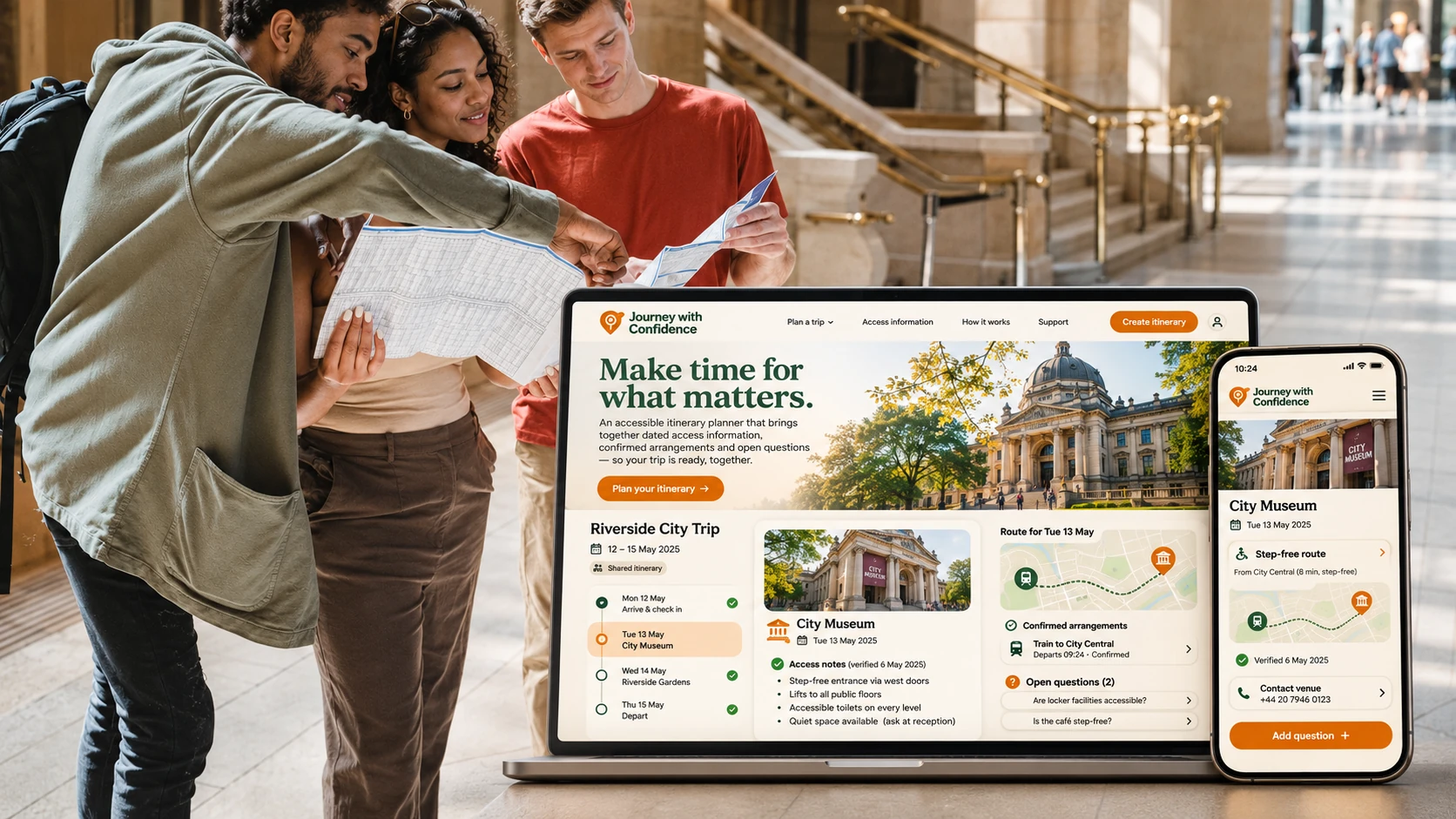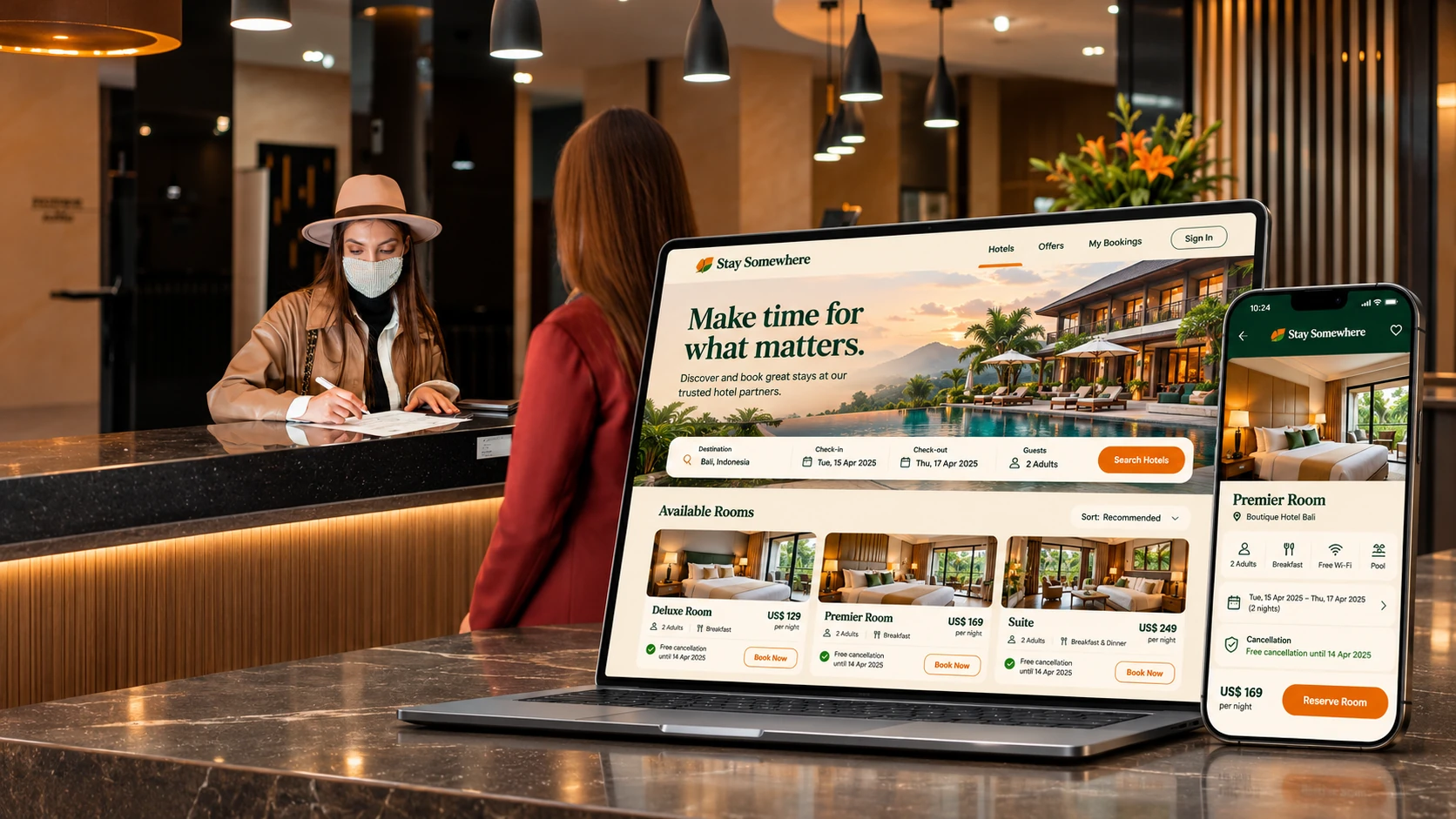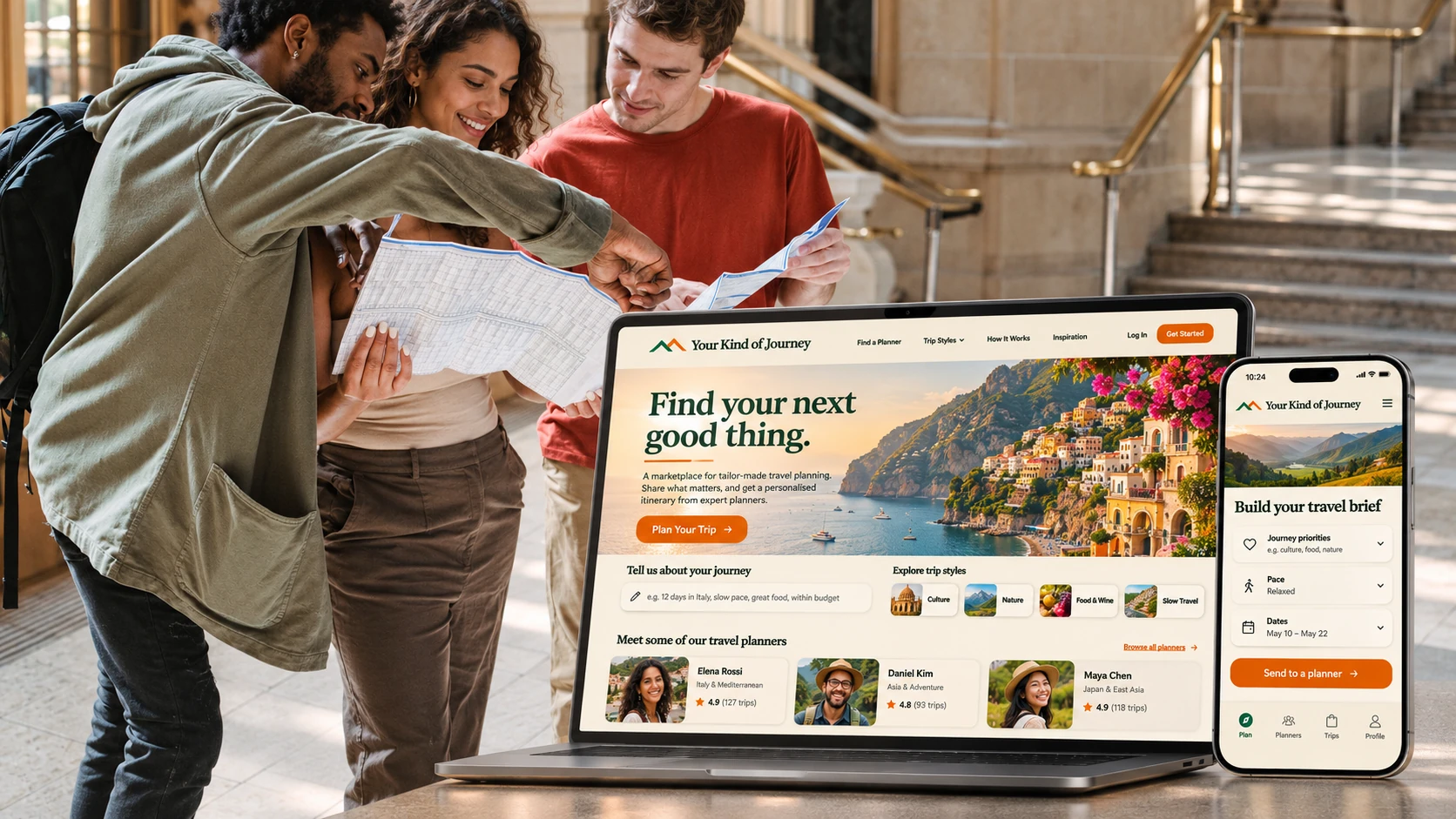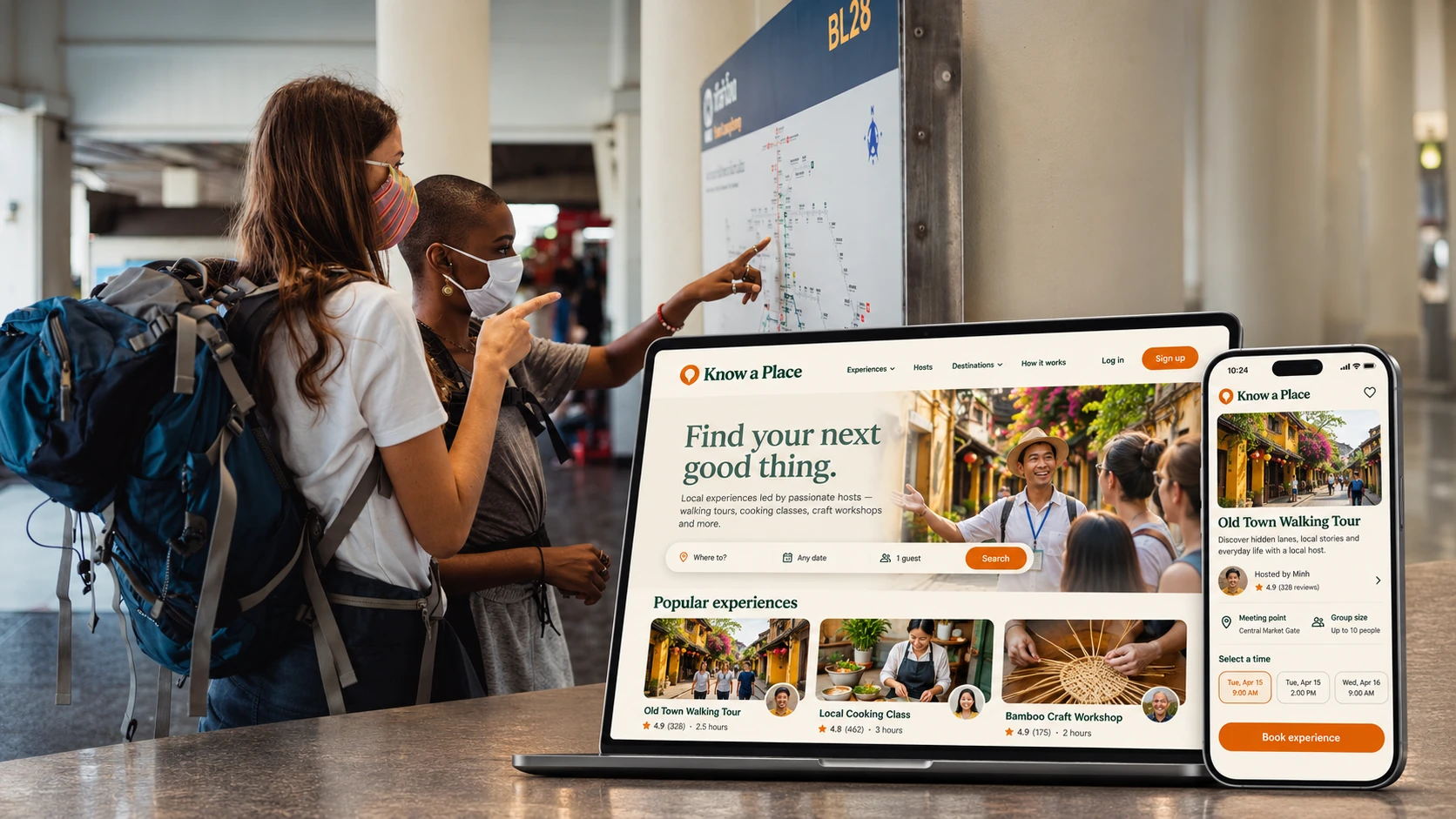
A visitor wants an afternoon that feels personal but cannot tell whether a workshop is suitable, easy to reach or actually available. Your marketplace could make a host's offering tangible: what happens, who it suits and how the day works, before the visitor commits to travelling there.
A business you can
picture.
Choose a destination or experience type and a small group of hosts you can review personally. Make each listing useful enough to support a real decision.
Who would be glad
you built it?
Independent hosts
Present and manage a focused experience.
Curious visitors
Choose activities with clearer expectations.
Local accommodation providers
Suggest relevant experiences for guests.
Where the money
could come from.
A host could pay a disclosed fee on completed bookings, retained from the booking payment under clear terms. That fee funds discovery, booking coordination and support. Payment charges, cancellations and customer assistance need room in the model; a large collection of listings has little commercial value without suitable completed experiences.
The part you could
make your own.
A focused visitor need could make the collection distinctive: quiet workshops, small groups or activities reachable without a car. Test whether that practical curation changes booking decisions and remains accurate when guests arrive.
An angle to test with the people you want to serve.Start with something
worth using.
Begin with one area and a small reviewed collection. Publish practical details, available dates and booking terms. Manually confirm early bookings so you learn how hosts prepare and communicate before expanding the selection.
- Explain the activity, requirements and what is included.
- Show dates, capacity and the full booking price.
- Confirm reservations and meeting instructions.
- Handle cancellations and invite relevant feedback.
Give the promise
something to stand on.
Knowledge of the destination and relationships with reliable hosts can help you curate well. You also need to maintain availability, explain cancellations and support visitors when the described experience cannot proceed.
Host checks, current availability and customer support need ongoing attention. Confirm relevant permissions and insurance. Describe safety and access information accurately and establish a practical response to cancellations or incidents.
Let a small beginning
teach you something.
Meet hosts and observe their offering with permission. Invite a small group of likely visitors to choose from the listings, then compare their expectations before booking with what they experienced on the day.
Do the listing details help visitors choose an experience that matches what the host can actually deliver?
Look for these signs
- Hosts keep available dates current
- Guests arrive with realistic expectations
- Bookings complete with manageable support
A little more
clarity.
Should every experience be instantly bookable?
Only when availability is reliable enough to support it. A request-and-confirm process can be a sensible starting point for small hosts, provided customers understand when a booking becomes definite.
How specific should accessibility information be?
Describe practical features and limitations supplied or checked with the host, including when they were confirmed. Avoid a blanket label that suggests one experience will meet every person's requirements.
Can I start with my own tours?
Yes. A direct-booking site can establish the experience before you invite other hosts.
Do I need hundreds of activities?
No. A small collection with accurate details and dependable hosts provides a focused beginning.
Airbnb allows hosts to offer bookable experiences. It is a reference for the broad model. Your destination knowledge, suitable hosts and way of reaching visitors would shape your version.
Now picture it
with your name on it.
Your people. Your priorities. The version you keep thinking about. Answer a few questions and leave with a starting plan you can keep.
Free to explore. No account or email needed for your starting plan.