Food & hospitalityEstablished model
Hospitality shift staffing exchange

Help a busy service find the people it needs.

A venue facing a staff gap needs clarity quickly, while a worker needs to know the role, hours and terms before accepting. Build a staffing service that respects both sides of that decision.

Make this fit me
You could also build this as a mobile app
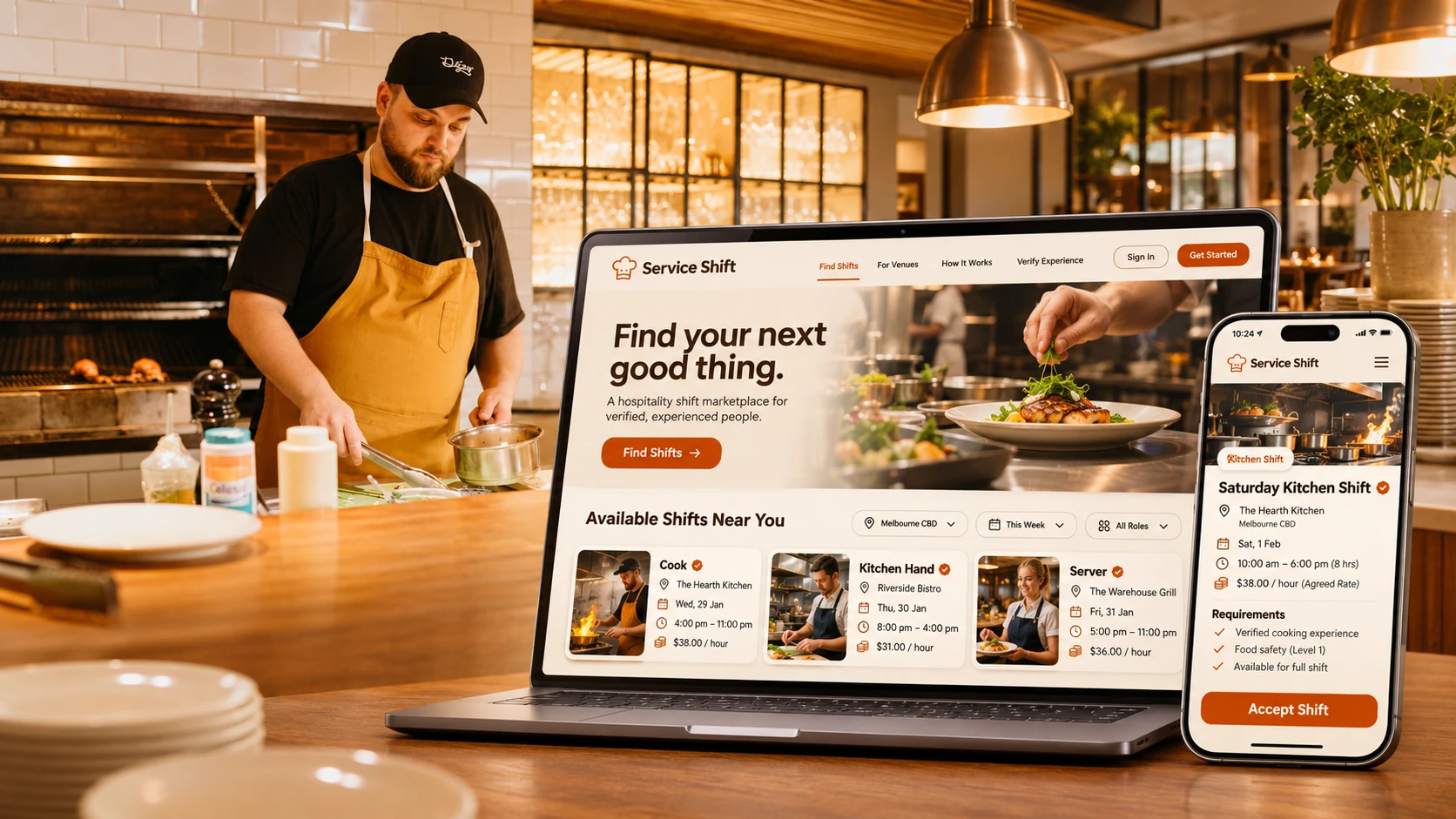
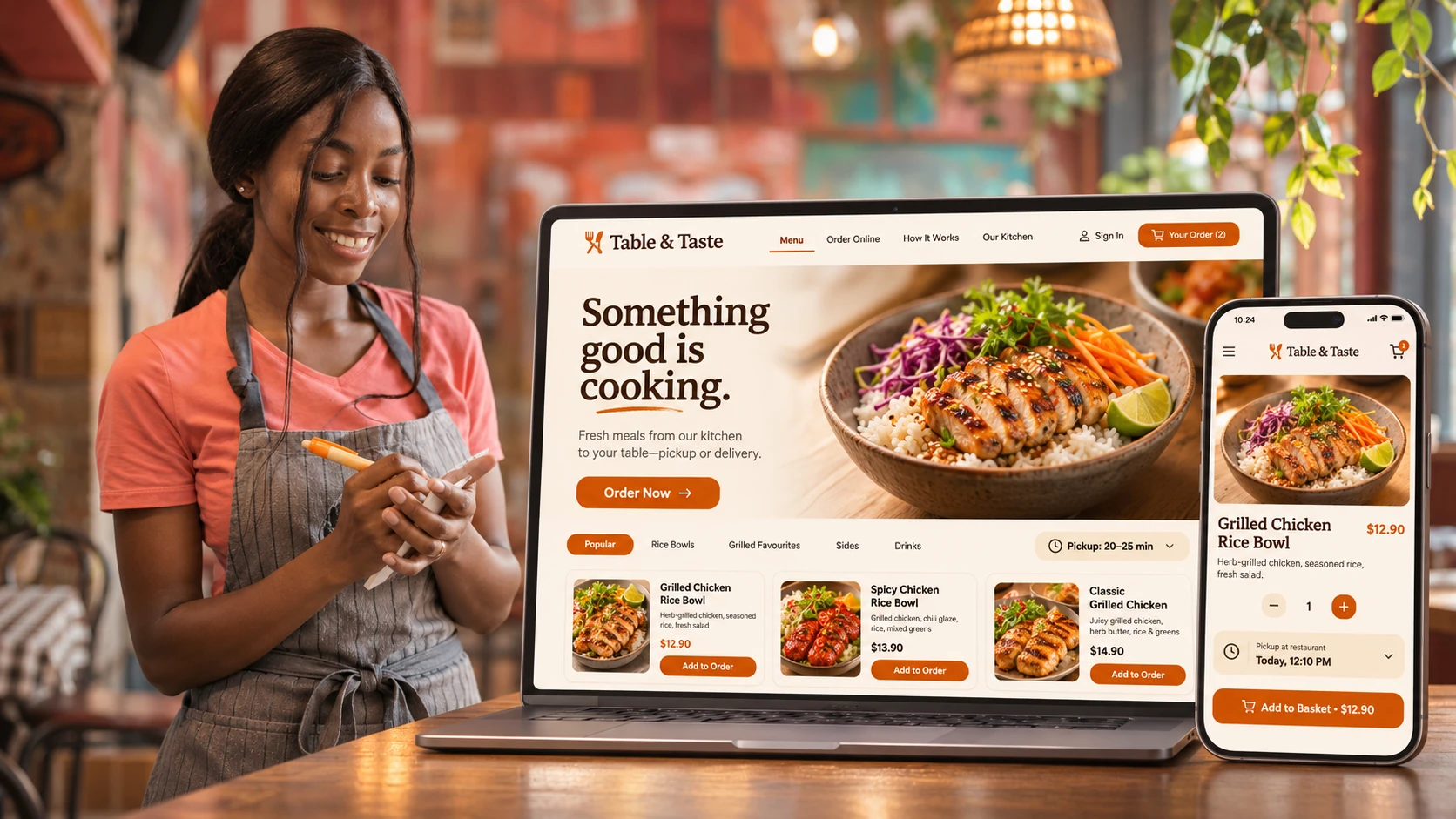
Hospitality shift staffing exchange concept: real human activity with a bespoke website and matching phone interface.Illustrative concept
IMAGINE THIS MOMENT

A venue has a last-minute staffing gap, while a qualified worker is available but needs to know the role, finish time and pay arrangements. Your exchange could organise that decision without leaving either side to discover essential conditions after the worker arrives.

A business you can
picture.

Create a shift marketplace for a defined hospitality role. Match verified experience and availability with specific shifts, then record acceptance, attendance and the agreed payment process.

Who would be glad
you built it?

Hospitality venues

Fill defined roles under clear arrangements.

Suitable shift workers

Assess duties, timing and pay before accepting.

Staffing coordinators

Track confirmations and attendance.

Where the money
could come from.

Venues could pay a disclosed staffing or coordination fee under a confirmed operating model. Keep worker compensation, platform charges and employer-related responsibilities distinct. Onboarding, scheduling support and resolving attendance or payment issues require resources; the margin should not depend on unclear deductions from a worker's stated pay.

The part you could
make your own.

Fair, complete shift information could be your difference. Clear duties, realistic hours and dependable payment records may help both sides choose confidently. Test whether good matches become repeat working relationships without weakening worker choice.

An angle to test with the people you want to serve.

Start with something
worth using.

Choose one role and a small venue group. Publish complete shift terms, verify relevant experience and record acceptance and attendance. Establish the contracting and payment process before enabling rapid open-market applications.

  • Worker profiles and role requirements
  • Available shifts and acceptance records
  • Attendance, feedback and payment status

Give the promise
something to stand on.

WHAT YOU BRING

You need a defined staffing model and appropriate review of employment or agency responsibilities. Experience checks, worker support, attendance disputes and payment reliability are core operations, not details to add after matching profiles.

Employment arrangements, worker checks and payment responsibilities need specialist local review. Plan for cancellations, no-shows and disputes, with a human contact who can resolve practical problems.

Let a small beginning
teach you something.

Map a recent staffing need with venues and workers, then test complete shift descriptions. Pilot a small number under agreed arrangements, reviewing both the venue's coverage and the worker's actual experience and payment.

THE QUESTION TO TEST

Can both sides confirm the same duties, hours and payment terms before the shift and resolve any difference afterwards?

Look for these signs

  • Shift terms are complete before acceptance
  • Attendance records can be reviewed
  • Workers understand the payment process
WHEN THE FIRST VERSION HAS TAUGHT YOU MORE
Where you could take it next

Later, add repeat-worker pools, training records and venue scheduling tools based on the relationships that work well.

A little more
clarity.

Is the platform the worker's employer?

That depends on the operating model and cannot be left ambiguous. Establish the contracting parties and responsibilities with appropriate advice, then explain them clearly to both venues and workers.

Can venues change the role after a worker accepts?

Use an explicit change and acceptance process. A material change to duties, hours or location should not be silently imposed through an edited listing after the worker has committed to the shift.

SOMETHING TO LEARN FROM

Instawork is a reference for shift staffing marketplaces.

WHAT COULD GO INSIDE

A few additions
to explore.

Member profiles and directoryHelp members discover the experience already in their community, with profiles they control and contact choices they understand.Appointment booking and paymentsLet a customer choose a suitable appointment while you give your full attention to the person already in front of you.Customer reviews and testimonialsLet a prospective customer hear a real experience from someone who has already trusted you with similar work.
MAKE ROOM FOR YOUR VERSION

Now picture it
with your name on it.

Your people. Your priorities. The version you keep thinking about. Answer a few questions and leave with a starting plan you can keep.

Free to explore. No account or email needed for your starting plan.
PICTURE THE MOBILE APPShift booking app

Help the right person see the next available shift.

A workplace needs help and a worker has time they could use. You could build a shift app for a defined hospitality role or area, showing the work, the requirements and the pay clearly. Keep acceptance, arrival details and changes together so neither side has to chase the basic information.

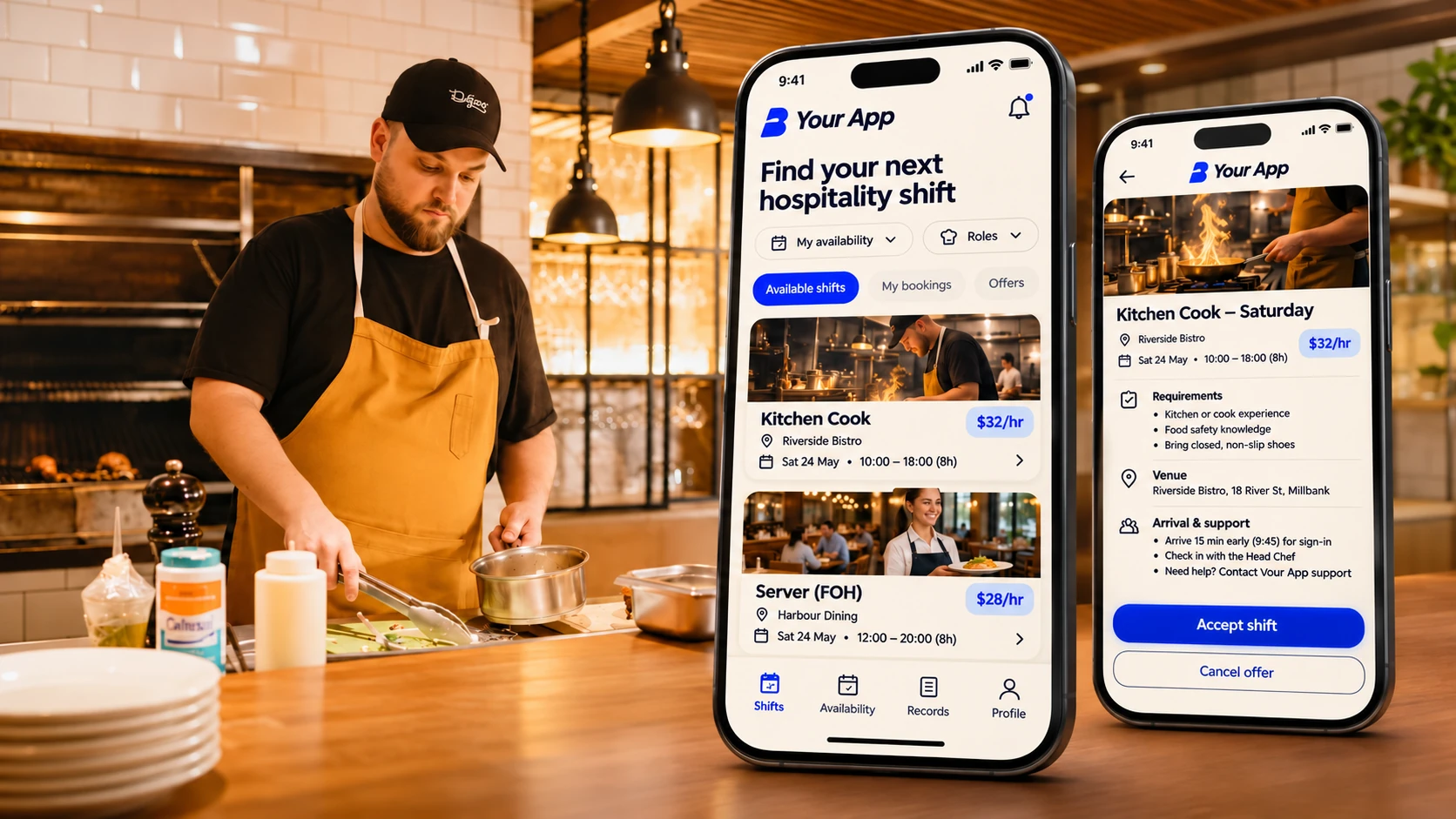
Professional chef in restaurant kitchen preparing a dish on counter. Warm lighting enhances the modern ambiance. Two phone screens preview the shift booking app, with no desktop view.App concept
IMAGINE THIS MOMENT

A restaurant needs cover, but the available worker still has to ask about pay, hours, dress and who to meet. Your app could make those basics visible before acceptance. The business opportunity depends on a real staffing service with clear responsibilities, supported by a phone experience that keeps the agreement together.

One useful moment.
A reason to open it.

A worker reviews the hours, pay, role requirements and arrival instructions, then accepts an eligible shift. The workplace sees the acceptance and named support contact.

Who would be glad
you built it?

Hospitality managers

Describe a shift and its requirements clearly.

Available workers

Decide whether the role fits their skills and schedule.

Staffing coordinators

Track accepted shifts and unresolved changes.

A place in their life.
At the right moment.

Why it belongs on a phone

Shift availability changes while people are away from a desk. Relevant alerts, quick responses and practical arrival information make the phone central to coordinating a short-notice work opportunity.

A reason to come back

Workers return for suitable shifts and employers return when staffing needs change. Clear expectations and fair handling of cancellations are central to making either side want to continue.

Timely remindersLocation & mapsLive coordination

Where the money
could come from.

An employer could pay a disclosed staffing service fee for a supported completed placement. Worker pay and the service fee should be understandable. Recruitment, suitability checks, coordination, cancellations and payment administration create costs. A software-only scheduling product would need a different, clearly defined offer.

The part you could
make your own.

Concentrate on one role where clear preparation matters, such as event service staff. Better requirements and arrival instructions could help both sides, but the staffing operation must deliver on the promise.

An angle to test with the people you want to serve.

Start with something
worth using.

Pilot one role and a limited group of workplaces. Include pay, hours, requirements, acceptance and arrival details. Keep a human coordinator available for cancellations and disputes during the test.

  • Worker availability and role credentials
  • Shift listings with pay and requirements
  • Offer, acceptance and cancellation records
  • Arrival instructions and support contact

Give the promise
something to stand on.

WHAT YOU BRING

You need hospitality relationships and a properly defined staffing model. Establish who employs, pays, checks suitability and supports workers, with relevant professional advice for the market you intend to serve.

Employment arrangements, worker checks and payment responsibilities need specialist local review. Plan for cancellations, no-shows and disputes, with a human contact who can resolve practical problems.

Let a small beginning
teach you something.

Ask willing employers and workers to review sample shifts before making placements. Then trial a manageable arrangement with the operating responsibilities settled, observing where either side still lacks information.

THE QUESTION TO TEST

Can a worker understand the full shift offer and arrive prepared without a series of last-minute clarification calls?

Look for these signs

  • Shift terms are clear before acceptance.
  • Workers receive usable arrival instructions.
  • Changes reach the responsible coordinator.
WHEN THE FIRST VERSION HAS TAUGHT YOU MORE
Where you could take it next

Later, add repeat-worker pools, training records and venue scheduling tools based on the relationships that work well.

A little more
clarity.

Does the app become the employer?

That depends on the operating model and arrangements you establish. Decide this with appropriate advice before launch; the interface should accurately reflect who is responsible for pay, supervision and support.

Can anyone accept any shift?

No assumption should be made. The workplace's requirements and your agreed suitability checks need to be reflected before a worker can accept a role.

SOMETHING TO LEARN FROM

Instawork is a reference for shift staffing marketplaces.

WHAT COULD GO INSIDE

A few additions
to explore.

Member profiles and directoryHelp members discover the experience already in their community, with profiles they control and contact choices they understand.Appointment booking and paymentsLet a customer choose a suitable appointment while you give your full attention to the person already in front of you.Customer reviews and testimonialsLet a prospective customer hear a real experience from someone who has already trusted you with similar work.
MAKE ROOM FOR YOUR VERSION

Now picture it
with your name on it.

Your people. Your priorities. The version you keep thinking about. Answer a few questions and leave with a starting plan you can keep.

Free to explore. No account or email needed for your starting plan.
KEEP THE POSSIBILITIES OPEN

Something else
might speak to you.