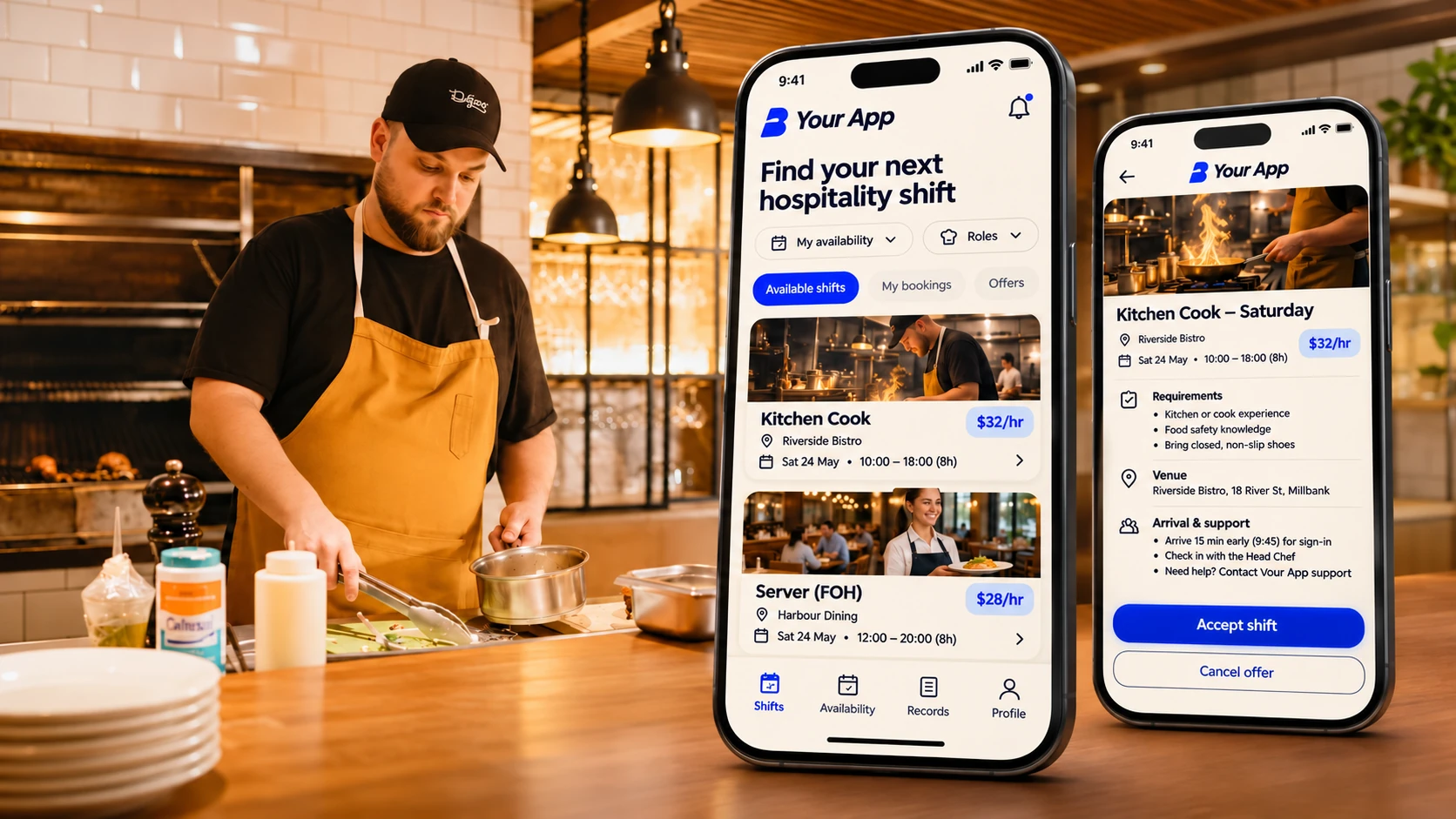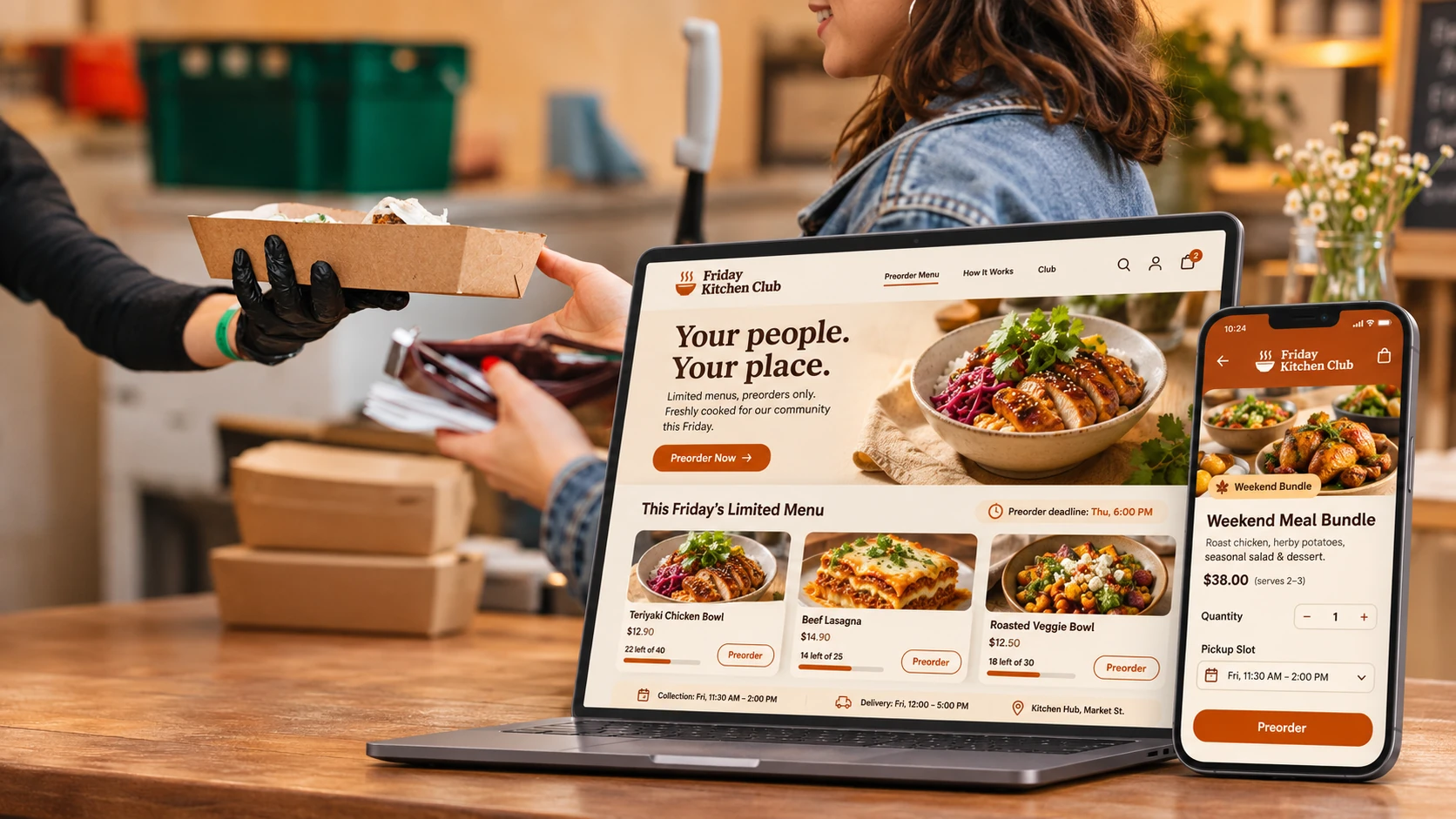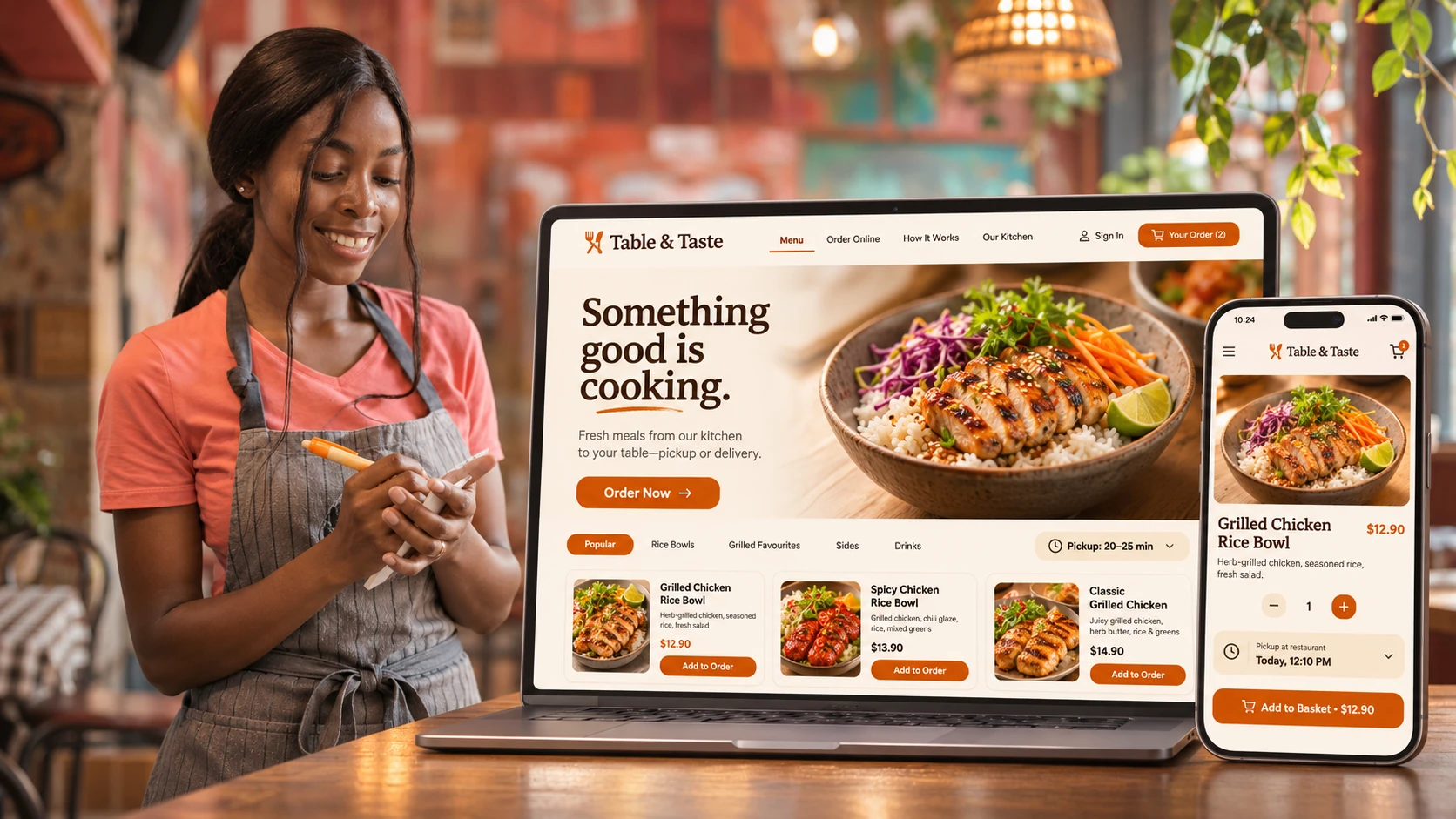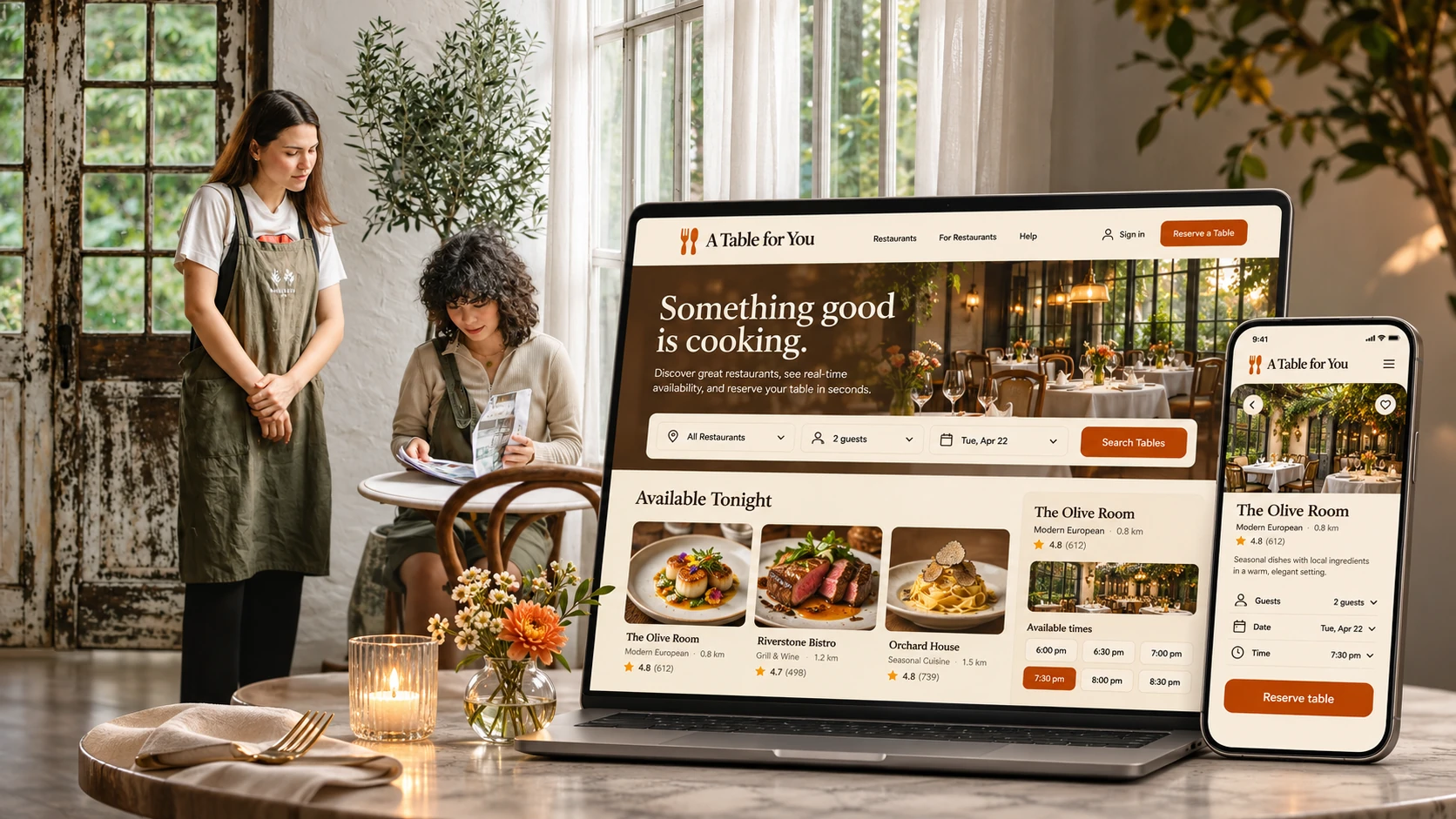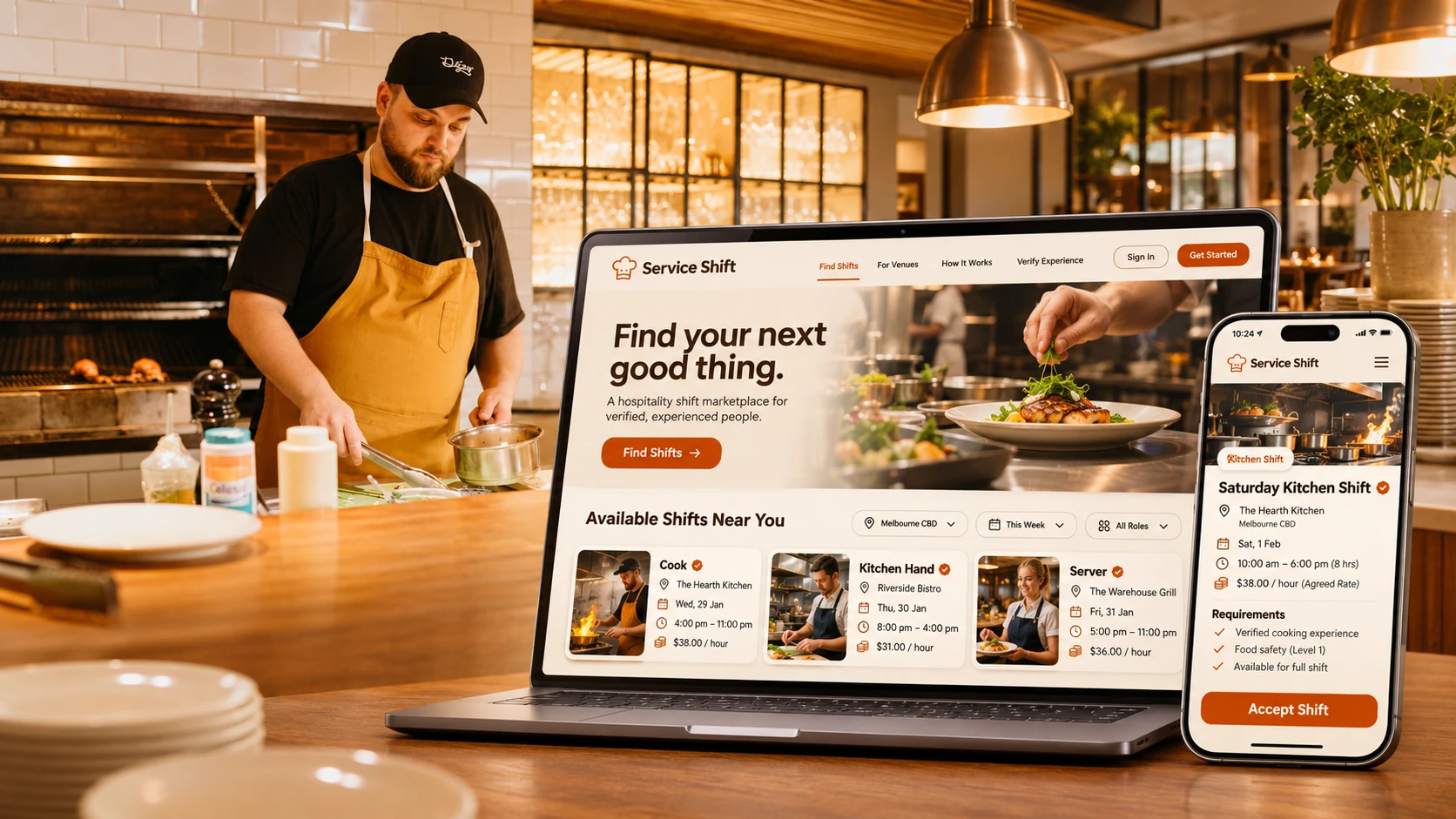
A venue has a last-minute staffing gap, while a qualified worker is available but needs to know the role, finish time and pay arrangements. Your exchange could organise that decision without leaving either side to discover essential conditions after the worker arrives.
A business you can
picture.
Create a shift marketplace for a defined hospitality role. Match verified experience and availability with specific shifts, then record acceptance, attendance and the agreed payment process.
Who would be glad
you built it?
Hospitality venues
Fill defined roles under clear arrangements.
Suitable shift workers
Assess duties, timing and pay before accepting.
Staffing coordinators
Track confirmations and attendance.
Where the money
could come from.
Venues could pay a disclosed staffing or coordination fee under a confirmed operating model. Keep worker compensation, platform charges and employer-related responsibilities distinct. Onboarding, scheduling support and resolving attendance or payment issues require resources; the margin should not depend on unclear deductions from a worker's stated pay.
The part you could
make your own.
Fair, complete shift information could be your difference. Clear duties, realistic hours and dependable payment records may help both sides choose confidently. Test whether good matches become repeat working relationships without weakening worker choice.
An angle to test with the people you want to serve.Start with something
worth using.
Choose one role and a small venue group. Publish complete shift terms, verify relevant experience and record acceptance and attendance. Establish the contracting and payment process before enabling rapid open-market applications.
- Worker profiles and role requirements
- Available shifts and acceptance records
- Attendance, feedback and payment status
Give the promise
something to stand on.
You need a defined staffing model and appropriate review of employment or agency responsibilities. Experience checks, worker support, attendance disputes and payment reliability are core operations, not details to add after matching profiles.
Employment arrangements, worker checks and payment responsibilities need specialist local review. Plan for cancellations, no-shows and disputes, with a human contact who can resolve practical problems.
Let a small beginning
teach you something.
Map a recent staffing need with venues and workers, then test complete shift descriptions. Pilot a small number under agreed arrangements, reviewing both the venue's coverage and the worker's actual experience and payment.
Can both sides confirm the same duties, hours and payment terms before the shift and resolve any difference afterwards?
Look for these signs
- Shift terms are complete before acceptance
- Attendance records can be reviewed
- Workers understand the payment process
A little more
clarity.
Is the platform the worker's employer?
That depends on the operating model and cannot be left ambiguous. Establish the contracting parties and responsibilities with appropriate advice, then explain them clearly to both venues and workers.
Can venues change the role after a worker accepts?
Use an explicit change and acceptance process. A material change to duties, hours or location should not be silently imposed through an edited listing after the worker has committed to the shift.
Instawork is a reference for shift staffing marketplaces.
Now picture it
with your name on it.
Your people. Your priorities. The version you keep thinking about. Answer a few questions and leave with a starting plan you can keep.
Free to explore. No account or email needed for your starting plan.