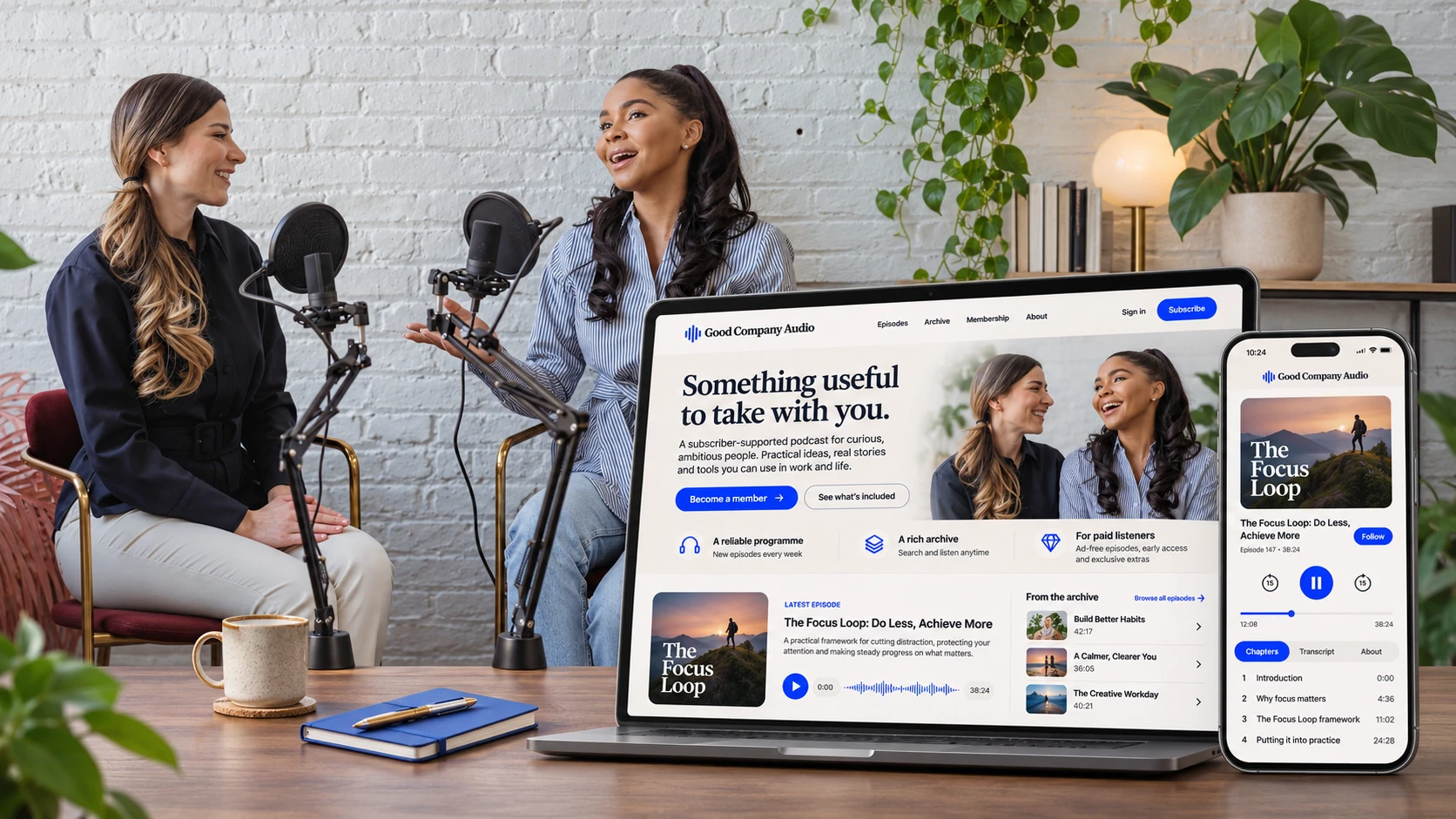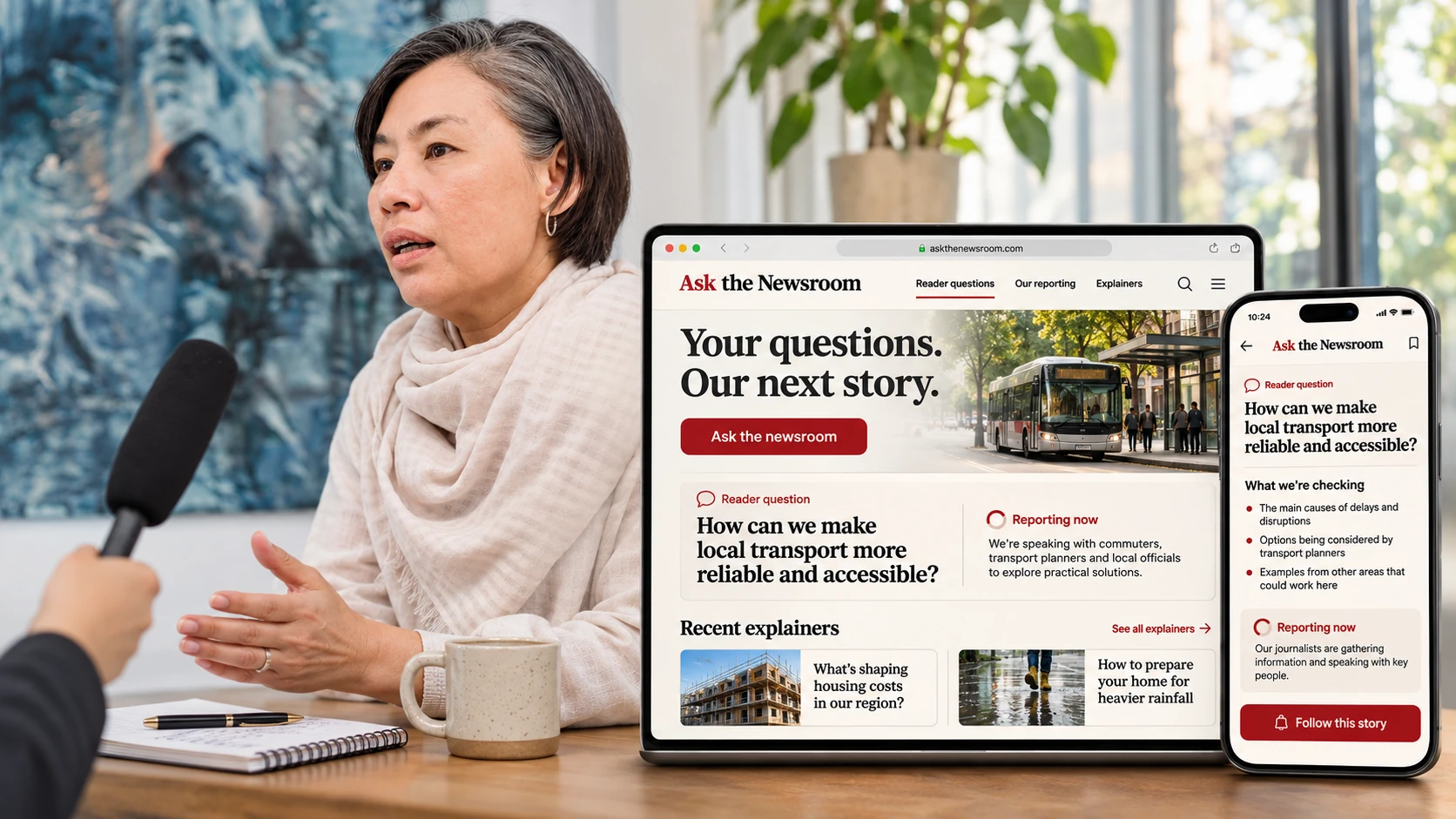
A professional community keeps discussing a practical question, yet every link leads to a partial answer or a sales pitch. Your publication could listen, choose a question worth investigating and return with clear reporting, helping readers see both the answer and how it was developed.
A business you can
picture.
Choose a specific audience. Members submit questions, the editorial team explains what it will investigate and contributors produce sourced work under an agreed review process.
Who would be glad
you built it?
Specialist readers
Reporting shaped by questions they actually face
Professional teams
A shared source of careful explanation
Community members suggesting topics
A visible route from question to editorial consideration
Where the money
could come from.
Readers could pay a membership for a defined reporting programme and archive. Fees support research, editing, source work and delivery. Team access can be added when useful. Keep the paid promise focused on independent reporting; sponsorship or commissioned work must be labelled and should not buy a favourable answer to the question under investigation.
The part you could
make your own.
Your proposed edge is the visible connection between a reader’s uncertainty and the finished work. Explaining why a question was chosen and what remains unanswered could help members understand the value of the reporting process.
An angle to test with the people you want to serve.Start with something
worth using.
Choose one audience and publish a question-led reporting series. Explain how questions are selected, show sources and limitations and provide a correction route. Start with a realistic publication rhythm before selling a broad membership promise.
- Collect questions and explain editorial choices.
- Publish sourced answers with visible corrections.
- Invite useful follow-up questions after publication.
Give the promise
something to stand on.
You need reporting skills, editorial judgement and a process for protecting sources and correcting errors. Readers can shape questions without purchasing conclusions, and paid relationships must stay visible.
Protect sources, verify factual claims and maintain a correction process. Payment should not purchase a favourable conclusion, and contributors need clear rights and editorial responsibilities.
Let a small beginning
teach you something.
Ask a relevant reader group to submit recurring questions, choose one with a manageable reporting scope and publish a complete sample. Test whether readers use it and want that kind of work continued.
Does the reporting answer a meaningful reader question clearly enough that people can explain both the conclusion and its limits?
Look for these signs
- Published work addresses the chosen question
- Sources and corrections are traceable
- Readers identify useful follow-up questions
A little more
clarity.
Can a paying member demand a particular answer?
No. Membership can support the work and inform topic selection, but the reporting must follow the evidence. Explain that boundary before accepting a paid question or sponsorship.
What if the investigation finds no simple answer?
Publish what was established, what remains uncertain and why. A careful explanation of limits can still be useful when the original question cannot honestly be reduced to one conclusion.
What should my first version focus on?
Start with the first test described here, then build around the part people actually use and would pay to keep.
Now picture it
with your name on it.
Your people. Your priorities. The version you keep thinking about. Answer a few questions and leave with a starting plan you can keep.
Free to explore. No account or email needed for your starting plan.