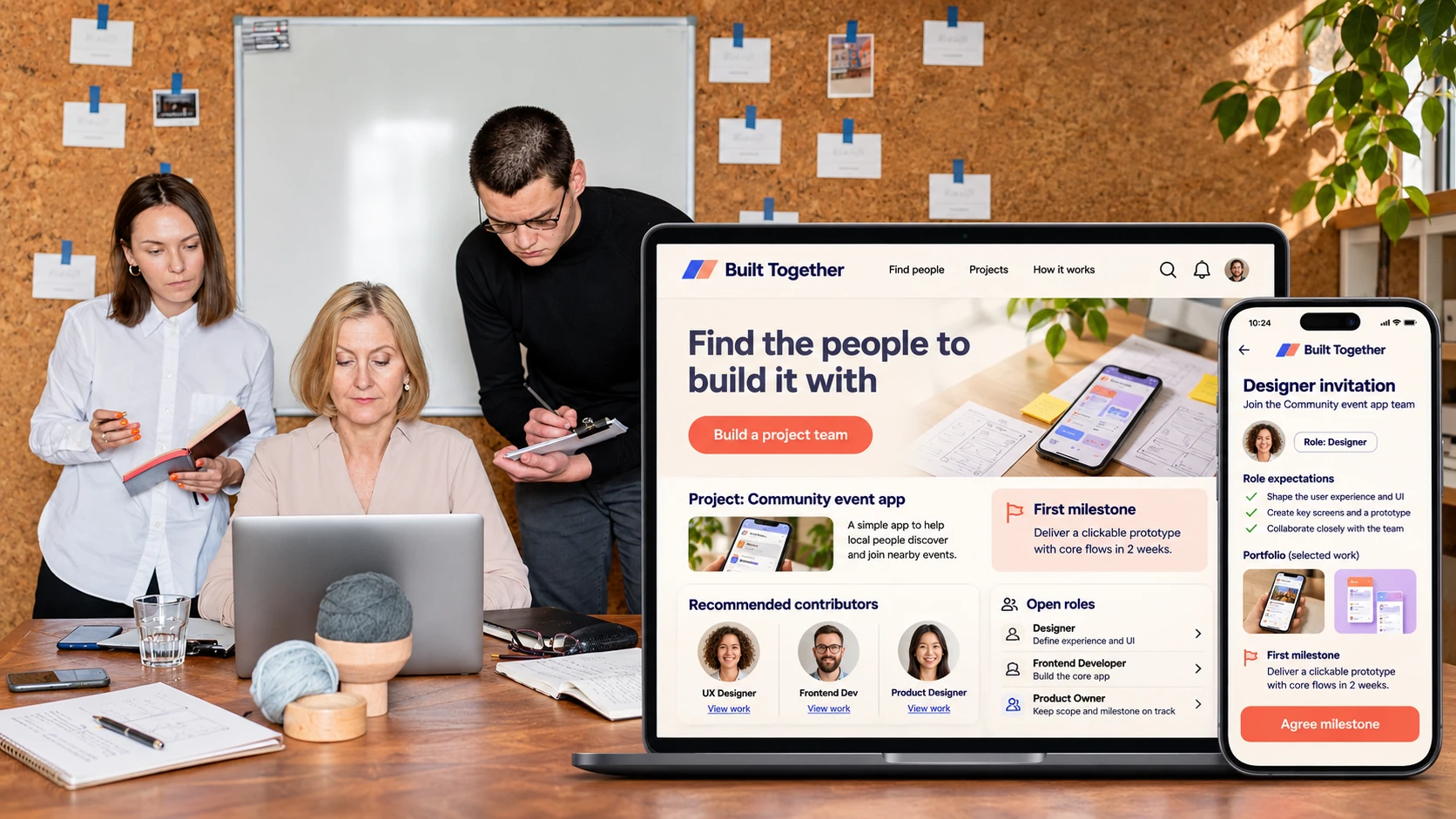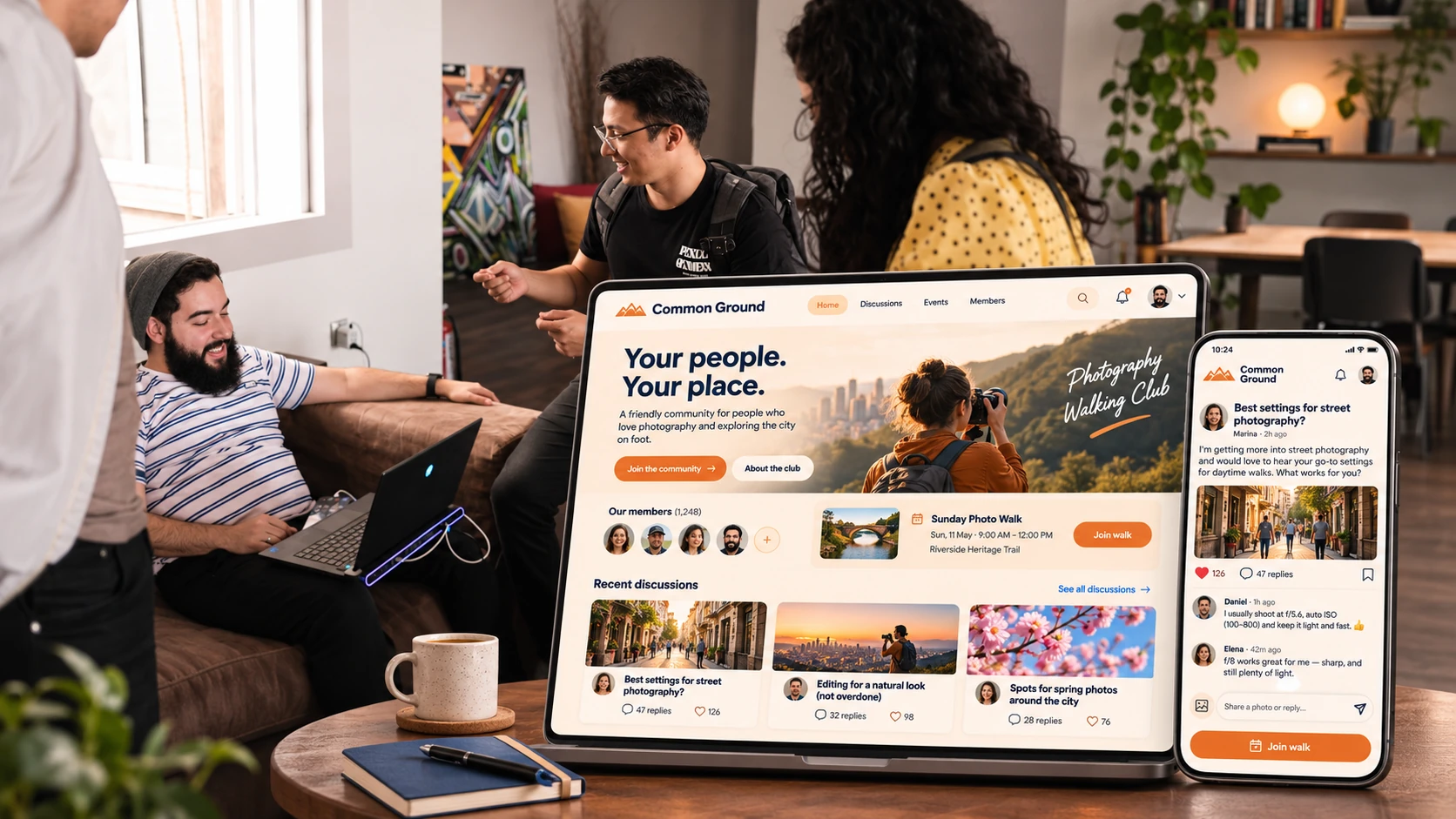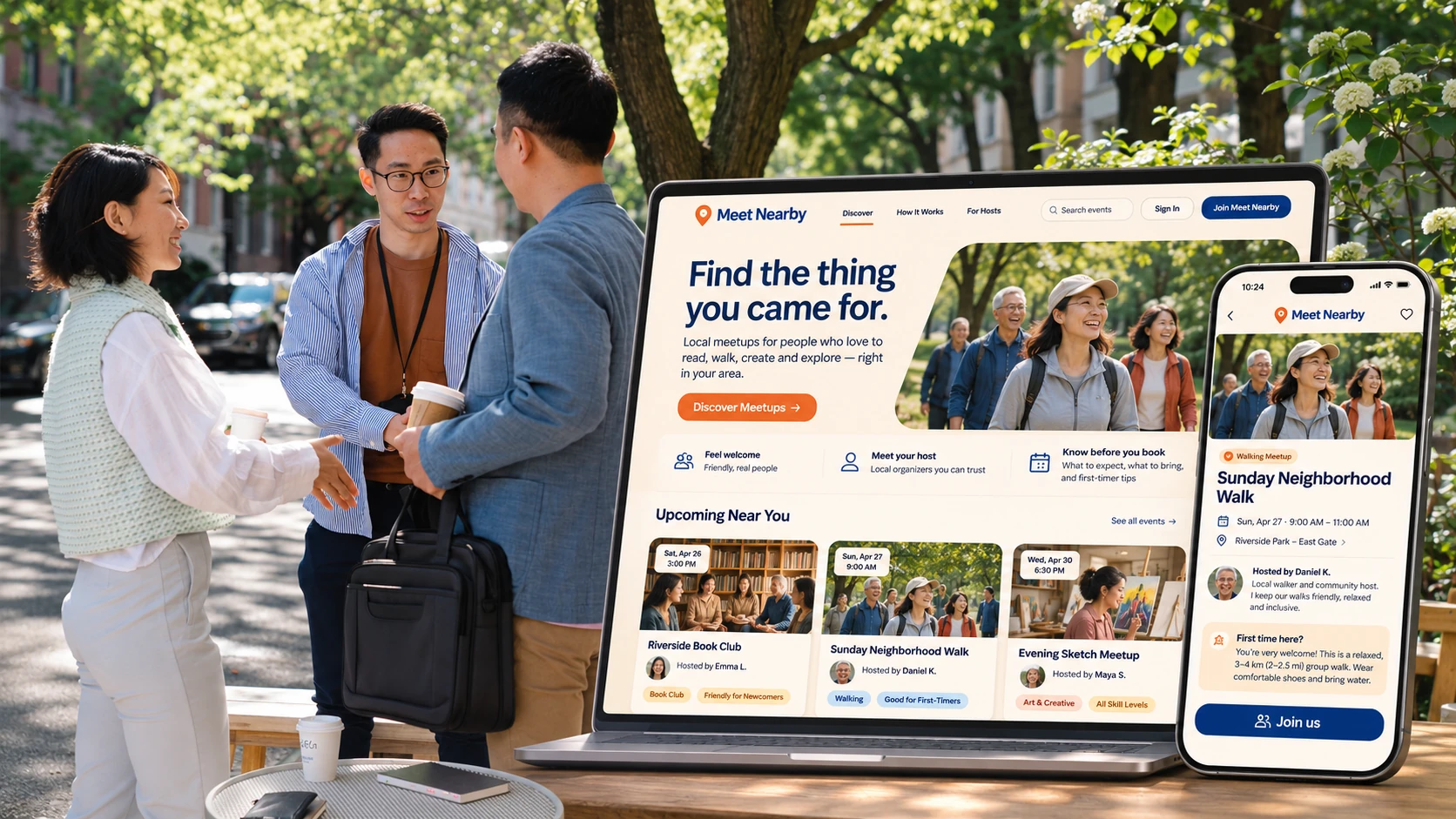
A small hotel owner is making a decision they know another operator has already faced. They have plenty of contacts but no dependable place to ask. Your network could make that useful conversation easier to find, with an active host and members who recognise the realities behind the question.
A business you can
picture.
Choose a clearly defined community and give it an active host. Begin with the conversations and activities members would make time for.
Who would be glad
you built it?
Independent operators
Discuss decisions with relevant peers.
New professionals
Find experienced people willing to guide.
Specialist suppliers
Understand needs through clearly disclosed participation.
Where the money
could come from.
Members could pay a recurring fee for hosted conversations, introductions and a focused resource collection. Start with that membership promise before adding sponsorship. Moderation, event preparation and member support all need funding; renewal should depend on continuing usefulness rather than a one-time burst of registrations.
The part you could
make your own.
Your knowledge of one profession could shape better introductions and questions. A network for independent hospitality operators, for example, could organise discussions around staffing, suppliers and guest experience. Let members show which connections they actually value.
An angle to test with the people you want to serve.Start with something
worth using.
Start with a focused membership, member introductions, a few hosted discussions and a searchable resource area. Give the first members a useful activity immediately rather than opening a large, empty social feed.
- Create member profiles and topic-based discussions.
- Host events, office hours and shared resources.
- Let members choose how others can contact them.
- Include reporting, blocking and moderation from the start.
Give the promise
something to stand on.
You would bring access to a real professional community and the willingness to host it. Welcoming members, setting discussion standards and connecting the right people are ongoing work, not launch-day tasks.
Community management, moderation and member support are ongoing work. Set clear conduct rules, respond consistently and respect private conversations. Get permission before turning someone’s contribution into a public success story.
Let a small beginning
teach you something.
Invite a small group around one recurring professional question. Host an initial discussion yourself, follow up on unresolved issues and ask what would make members reserve time for the next gathering.
Do members seek each other out for useful help after the initial hosted introduction ends?
Look for these signs
- Members contribute relevant experiences
- Introductions lead to follow-up conversations
- Members choose to renew
A little more
clarity.
How can a small network feel worthwhile?
Depth and relevance can be a starting point. A few people who understand the same operating problem may offer a useful conversation. Show prospective members the actual activities and hosting they will receive.
Should suppliers be allowed into the community?
They may contribute useful knowledge if their role is clear. Set boundaries around direct selling, label sponsorship and give members control over contact so the group remains a place they want to participate.
Does a social network have to serve everyone?
No. A specific group with a shared purpose can give you a clear place to start.
Can it begin with a website?
Yes. A website that works well on phones can help you test the community before building a dedicated app.
Circle provides tools for paid communities and membership content. It shows the broad format. The people you bring together and the experience you host would give your network its character.
Now picture it
with your name on it.
Your people. Your priorities. The version you keep thinking about. Answer a few questions and leave with a starting plan you can keep.
Free to explore. No account or email needed for your starting plan.